Register

The right time to descend

The M.O. of IFR magazine is bringing to daylight all those little corners of instrument flying where the real-world practices differ from the regs, or at least where playing the game a bit differently than you learned in ground school has payoff without jeopardizing safety.

Gemini Sparkle

Key Takeaways:

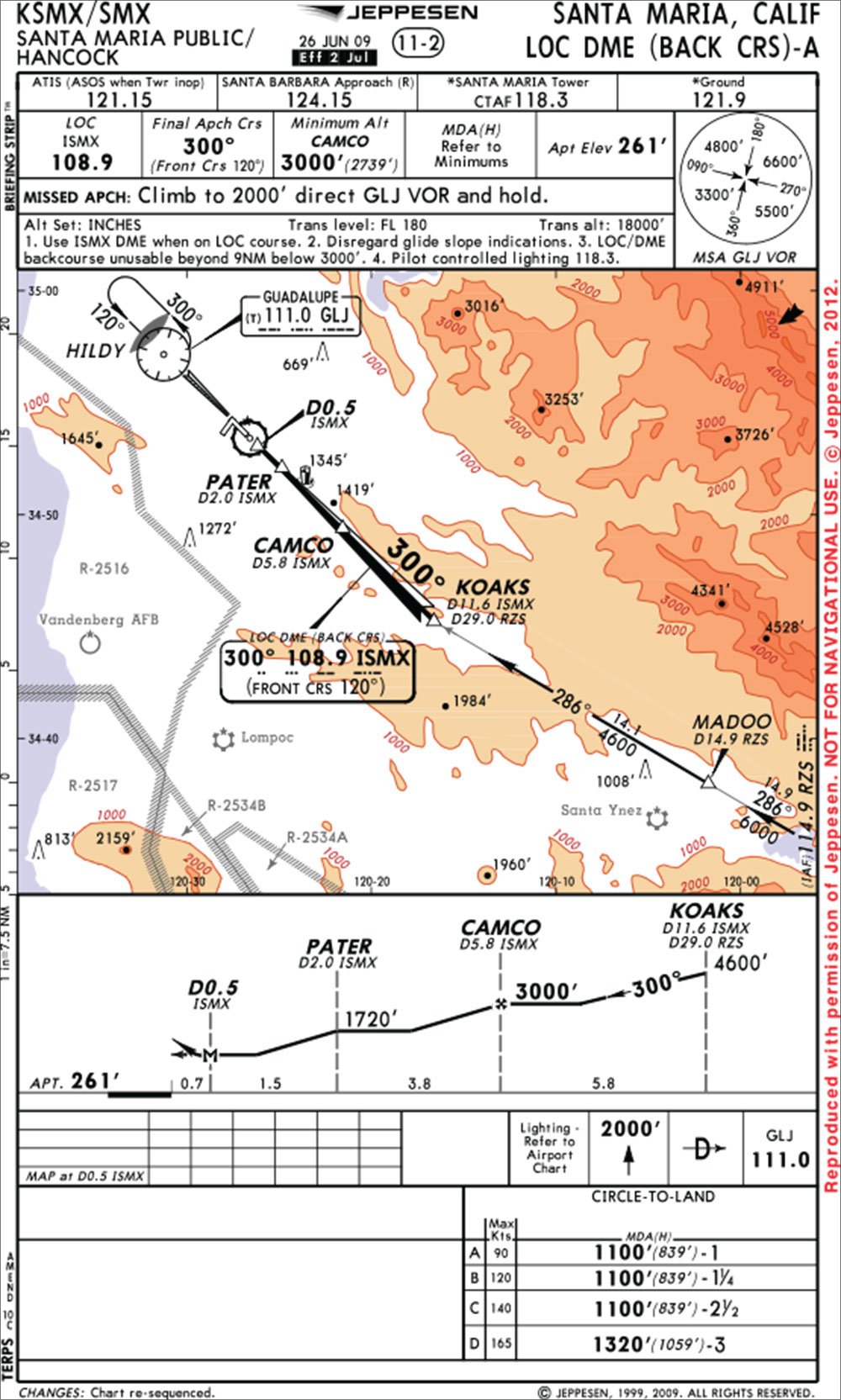
  • A pilot descending below a charted stepdown fix on an instrument approach, despite being visual with the runway and doing so for safety, was deemed in violation of FAR 91.175, highlighting a conflict between common pilot practice and regulatory interpretation.
  • Technically, ATC and the FSDO were correct: FAA regulations (FAR 91.175, AIM 5-4-7) require adherence to the *entire* published instrument procedure, including all stepdowns, unless a new clearance (visual/contact approach) or IFR cancellation is received.
  • The article suggests the technicality lies in the absence of a published Minimum Descent Altitude (MDA) for the specific segment before the stepdown, meaning 91.175 (which governs descent below MDA/DH) did not apply, making the stepdown altitude mandatory.
  • To avoid such violations, pilots should proactively request a visual approach or cancel IFR as soon as the runway is in sight to gain flexibility and legally manage their descent for a straight-in landing.
See a mistake? Contact us.

FAR 91.175 lays out exactly when you can descend below MDA and land—or does it? One pilot’s skip of a stepdown inside the FAF while VMC sparked a regs controversy.


Ready to Sell Your Aircraft?

List your airplane on AircraftForSale.com and reach qualified buyers.

List Your Aircraft
AircraftForSale Logo | FLYING Logo
Pilot in aircraft
Sign-up for newsletters & special offers!

Get the latest stories & special offers delivered directly to your inbox.

SUBSCRIBE