













Staying Engaged

Gemini Sparkle

Key Takeaways:

  • The author experienced a near-accident due to complacency and over-reliance on a new car's advanced self-driving features, mistakenly assuming automation was engaged.
  • This incident highlighted the critical importance of continuous attention and monitoring, even when automation is present, to prevent dangerous situations.
  • The article parallels this experience to aviation, urging pilots not to become complacent with modern avionics but to actively oversee all flight aspects, including fuel, navigation backups, and weather.
See a mistake? Contact us.

Recently, my wife purchased a new vehicle. This vehicle is amazingly advanced and automated. In fact, at times I’ve called it a rolling platform of networked computers, each of which drives electric motors that control everything from mirrors and seats, to pedals and the steering wheel. 

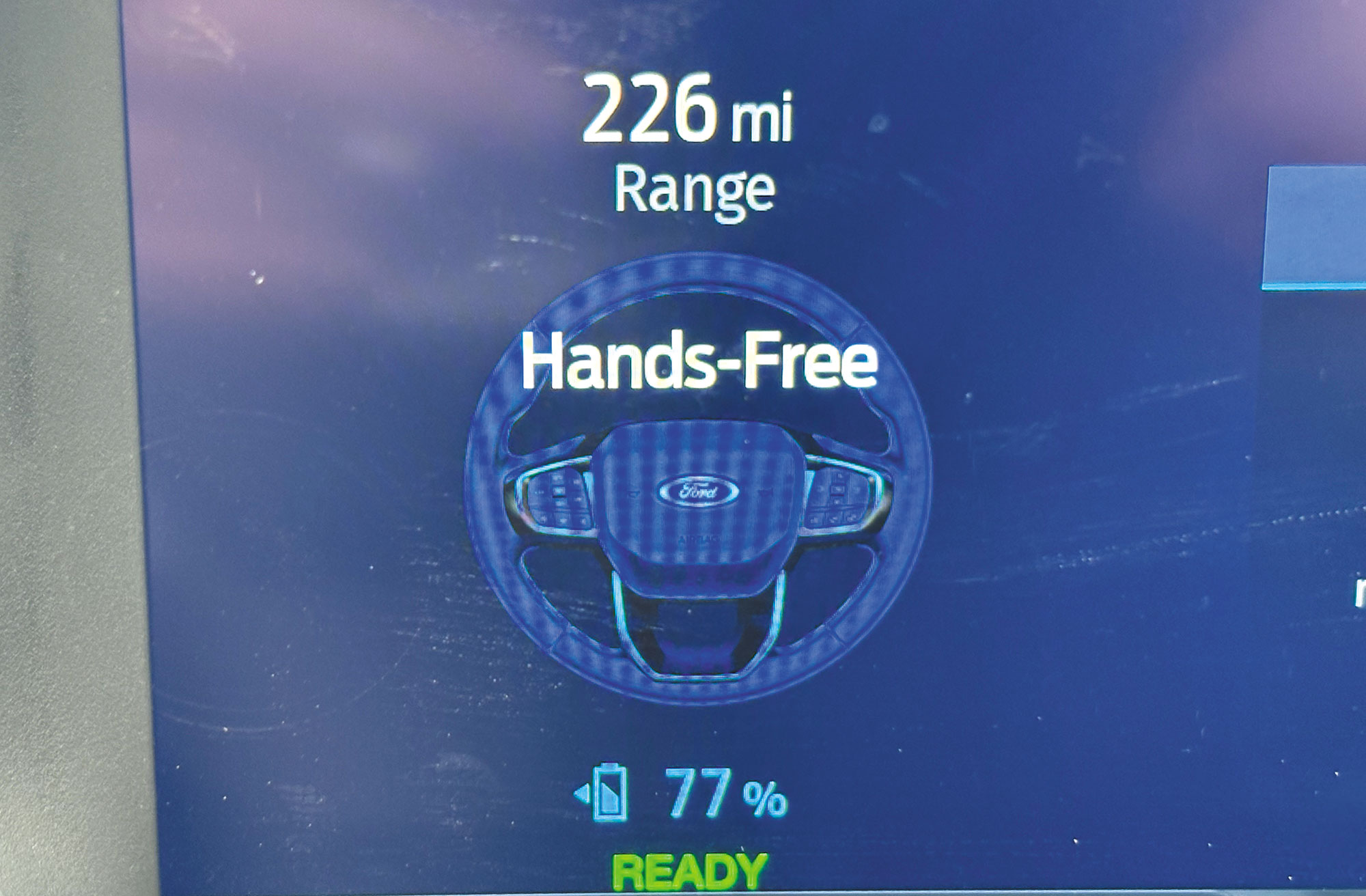
Of course, it also has a hands-free self-driving mode. For now, that capability is limited mostly to interstate highways. It has other limitations mostly revolving around requiring the driver to pay attention even while the vehicle is driving itself. Somehow it monitors the driver’s eyes and complains if your attention wanders and even suggests you stop for coffee if you seem drowsy. 

I’ve begun to rely on this automation and I’ve even gotten complacent with it. It won’t (yet) change lanes to pass slower drivers in front. So, you’ve got to use the turn signal to momentarily disengage the lane keeping and manually steer to the other lane. After a moment it (usually) reengages and drives for you again.

Not long ago I was on the interstate in hands-free mode. I’ve learned that I can divert my attention briefly before it complains to draw me back to monitoring things. I’d changed lanes to pass someone and then changed back to the right lane. I just assumed that hands-free mode was operative when I returned to the right lane. It wasn’t.

But, assuming it was, I took my hands off the wheel and let my attention briefly wander to look at something off to the side. When I looked back, I was straddling two lanes with a vehicle close behind me in the left lane that I’d apparently cut off. Oh, $#%+.

I swerved back to the right lane and other than my chagrin everything was fine. But it rattled me. Now, I closely monitor to make sure the lane-keeping and self-driving modes are again active before I let go of the steering wheel. In general, I’m now watching more closely, just as I should be.

What’s this have to do with flying? Think about it and I bet you can guess. With modern avionics that are reachable even for some trainers, we have sufficient automation to program and fly our entire route such that the airplane will climb to our cruise altitude and follow our course. Sometimes we need do nothing further until we get cleared for descent.

But what about monitoring the rest of the airplane? Do you closely monitor the fuel, switching tanks as needed, tracking fuel flow and usage with winds to make sure the destination remains reachable with reserves? Do you tune in VORs to have a ready backup for when GPS goes off line, even cross-checking your position now and then? Do you occasionally dial in an ASOS up the line to make sure the weather isn’t changing, and if you can, do you monitor your destination weather?

We should be doing all this and more to assure that our airplane is doing exactly what we expect. If you’re not, take advantage of the driving lesson I just learned and start engaging more closely.

Ready to Sell Your Aircraft?

List your airplane on AircraftForSale.com and reach qualified buyers.

List Your Aircraft
AircraftForSale Logo | FLYING Logo
Pilot in aircraft
Sign-up for newsletters & special offers!

Get the latest stories & special offers delivered directly to your inbox.

SUBSCRIBE
