













Sims: Why So Much Focus

These are incredibly useful tools that enhance our flying, making it safer while giving us more capabilities.

Gemini Sparkle

Key Takeaways:

  • The magazine's increased focus on flight simulators is a direct result of significant technological advancements that have made them practical, effective, and widely available training tools.
  • Simulators have evolved from rare, basic devices to sophisticated, highly realistic options, including affordable FAA-approved devices and advanced home setups.
  • Modern flight simulators are invaluable for enhancing pilot training, improving safety, expanding capabilities, and offering considerable efficiencies in time and cost, justifying their prominent coverage.
See a mistake? Contact us.

Recently a reader wrote to complain a bit and question why we’ve begun to stress simulators so much in the magazine. That’s a valid question. When I took over the helm of IFR about 12 years ago, rarely did we run an article that discussed using a sim. Now, it seems, few issues slip by without at least one mention of using a sim and frequently these Remarks are about simulation.

The reason, simply put, is technology. When I started flying, one almost never encountered a flight simulator. I remember one community college I visited had a small Linc trainer off in the corner of its pilot-training department, but it rarely saw use. It was difficult to get into and it reminded most of us of a coin-operated kiddy ride you’d see outside a grocery store. Nonetheless, if given some effort, it provided useful instruction.


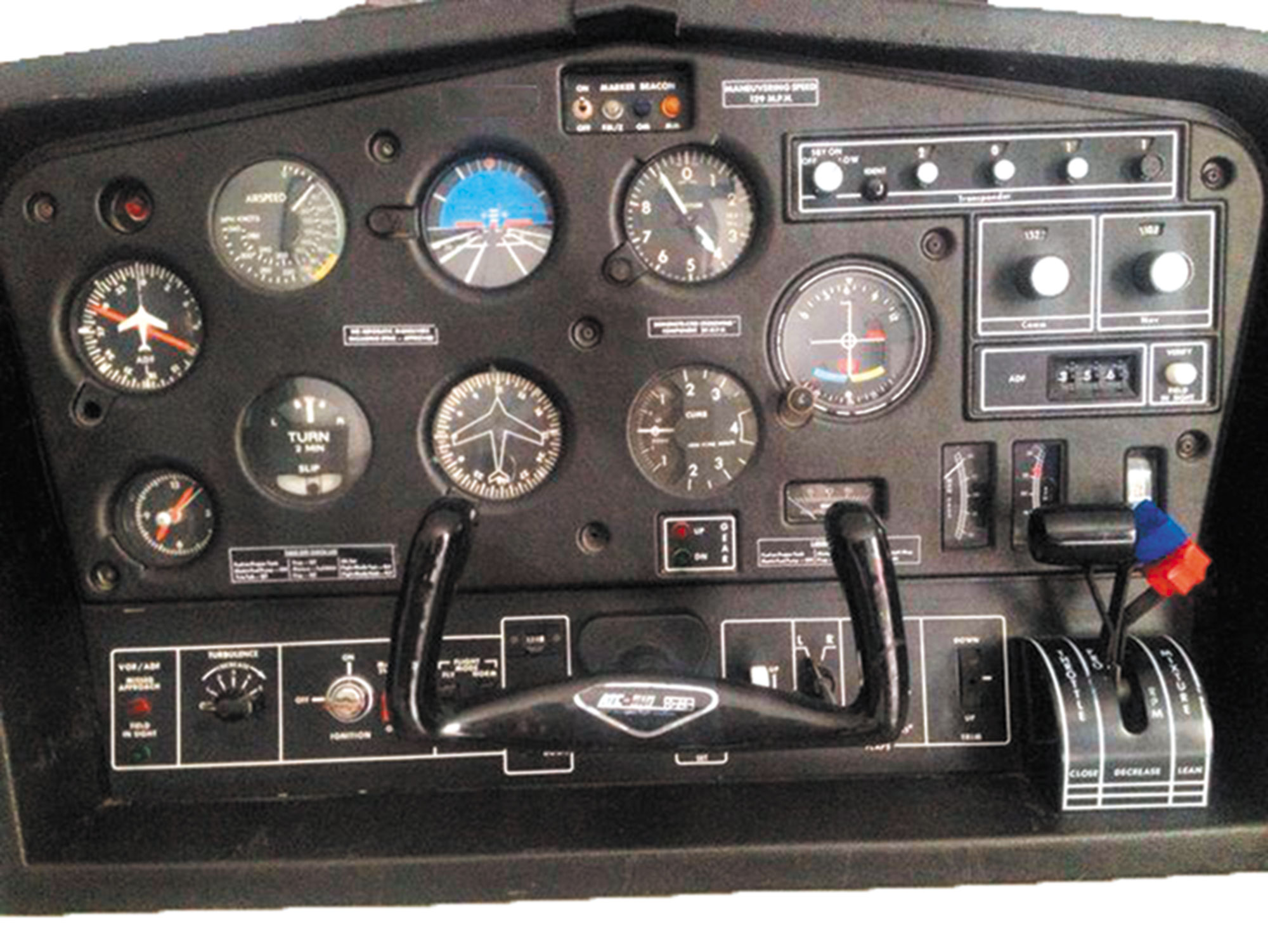
The first practical flight simulators I encountered were the ATC models 510 and 610 in the 1970s. These tabletop devices actually did a credible job within the limited constraints of their design. I learned to fly on instruments using these devices and even legally logged the time doing so.

Of course, by the 1990s, Microsoft entered the picture with their MS Flight Simulator. While this wasn’t approved for logging any time, it still provided a dose of realism in flying on instruments. To a modest standard PC, one only needed to add the software, a yoke with power levers and, to be even better equipped, rudder pedals. 

Also in the 90s, companies like Frasca, Precision Flight Controls, and Elite had taken PC-based technology and built dedicated devices that were quite credible simulators. Predictably, other companies popped up, and most featured practical simulators with instruments and all the typical controls. 

They all deployed both available and custom software and hardware in their certified simulators. All this development was accelerated by the emergence of non-certified home simulator software and hardware. By early this century, it was both possible and realistic for a hobbyist to build a credible simulator for personal use. Today, even more options are available.

So, we spend more page space on simulators just like we spend more on EFIS, autopilots, GPS-based FMS, and such. These are incredibly useful tools that enhance our flying, making it safer while giving us more capabilities. Technology advancements have made all of these and sims more available, all at what, in aviation terms, might be seen as reasonable cost.

Aviation education powerhouse, Gleim Aviation, makes perhaps the lowest-cost FAA-approved Basic Aviation Training Device with everything you’d need for about $8500. Or, you can build your own (non-approved) sim for less. Simulation is here to stay, offers tremendous efficiencies in time, cost, and training effectiveness. Why wouldn’t we devote more page space to it?

Ready to Sell Your Aircraft?

List your airplane on AircraftForSale.com and reach qualified buyers.

List Your Aircraft
AircraftForSale Logo | FLYING Logo
Pilot in aircraft
Sign-up for newsletters & special offers!

Get the latest stories & special offers delivered directly to your inbox.

SUBSCRIBE