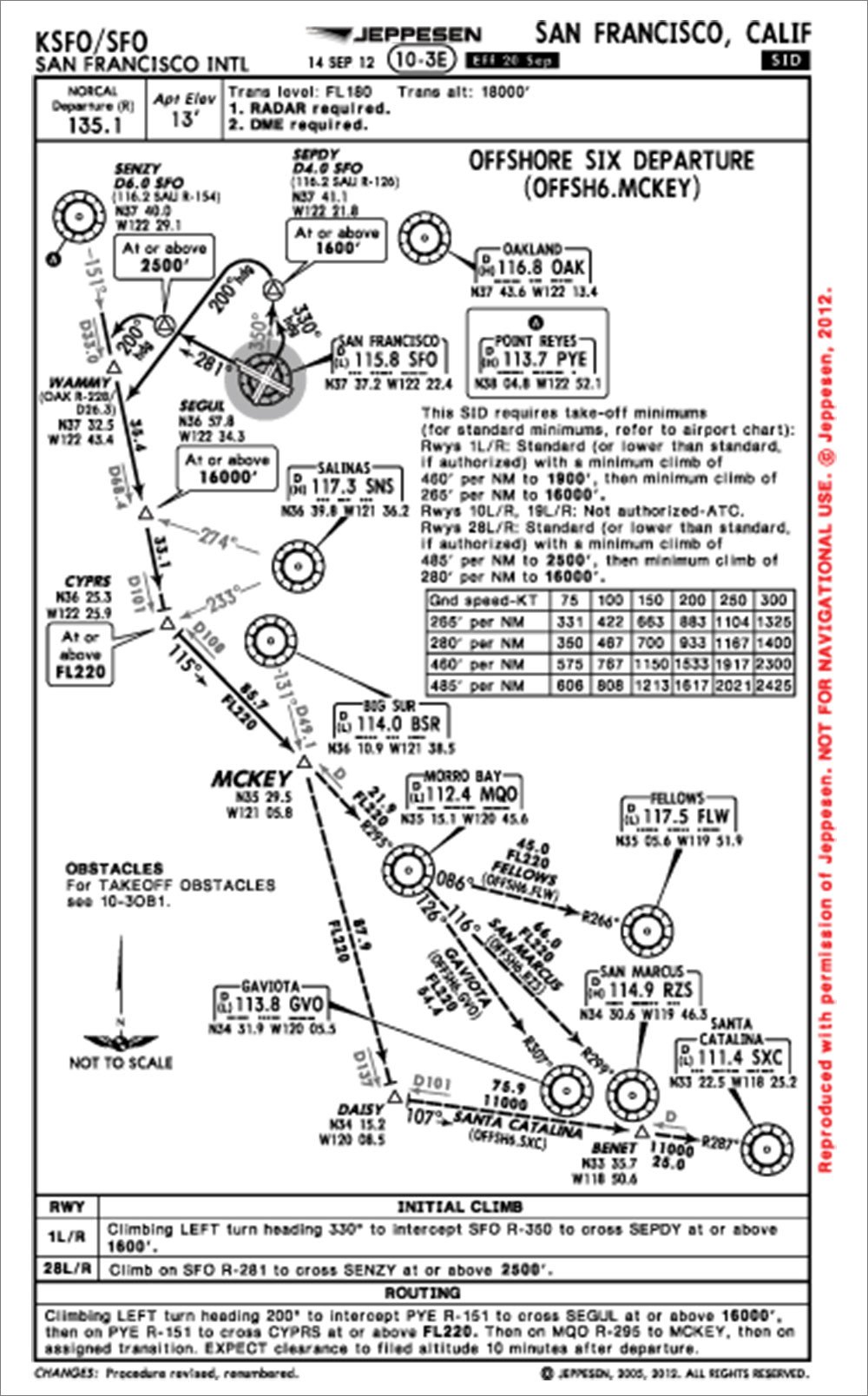
Fly IFR in busy airspace and eventually youll have one of those much ado about nothing experiences. It starts with a clearance you dutifully put in your navigator-and then repeatedly change or completely ignore until you get a clearance to resume the plan you were given at the start.
IFR departures, especially in busy airspace, rarely follow published procedures exactly, as ATC frequently issues vectors and altitude changes that deviate from the initial flight plan.
Modern GPS/RNAV systems have specific behaviors when loading and executing published departure procedures, including handling RNAV-specific fixes and altitude-dependent turns.
Pilots must thoroughly understand their navigation system's operation and be proficient in adapting it to ATC deviations, such as activating new legs or maintaining headings to align with altered clearances.
Fly IFR in busy airspace and eventually you’ll have one of those “much ado about nothing” experiences. It starts with a clearance you dutifully put in your navigator—and then repeatedly change or completely ignore until you get a clearance to resume the plan you were given at the start.
CREATE A FREE ACCOUNT
Sign up to keep reading
Create a free account to continue. Already a member? Sign in below.