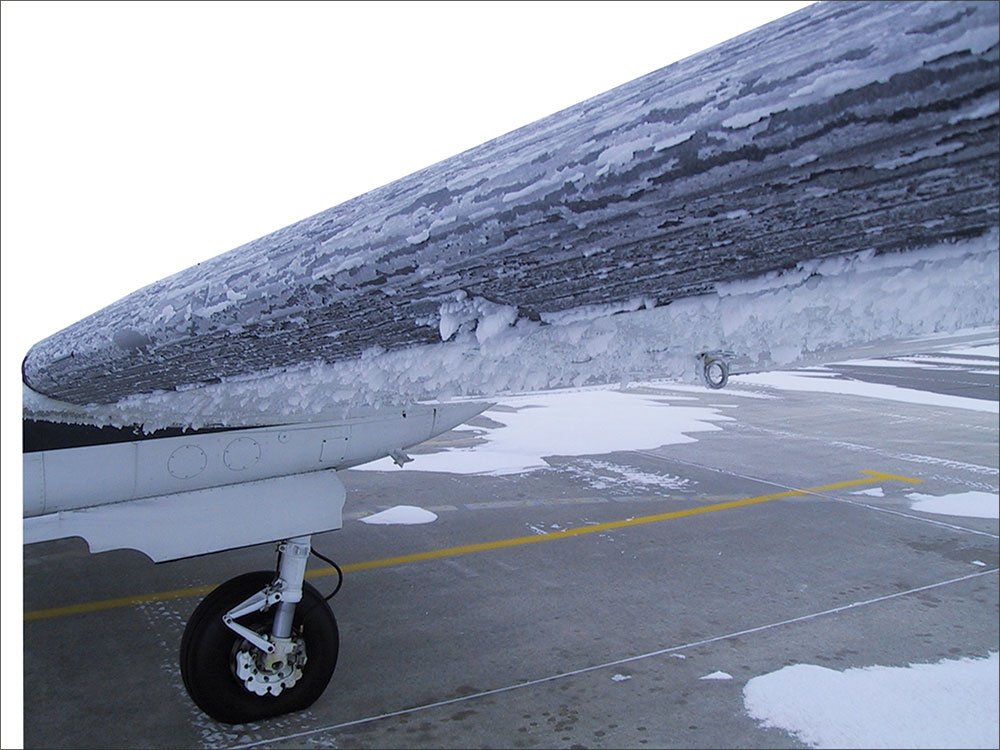
Transitioning to your first aircraft that has ice protection equipment beyond a heated pitot tube is a big step for a pilot. Having a full complement of ice protection usually gives pilots warm fuzzy feelings about being able to complete more trips and handle any ice related problems that arise. Unfortunately, the current regulations and guidance addressing icing can be just as complex as dealing with the nuances of in-flight icing encounters.
Modern Flight Into Known Icing (FIKI) standards are significantly more rigorous than pre-1974 rules, leaving many older general aviation aircraft subject to evolving FAA scrutiny and airworthiness limitations.
An aircraft's ability to carry ice relies heavily on physical factors beyond installed de-icing equipment, particularly its power-to-weight ratio, which dictates the excess climb performance needed to overcome added weight and aerodynamic drag.
FIKI certification does not cover all severe atmospheric conditions, such as supercooled large droplets (SLD) or freezing rain, meaning ice protection should be used to briefly transit or escape icing rather than cruise continuously through it.
Transitioning to your first aircraft that has ice protection equipment beyond a heated pitot tube is a big step for a pilot. Having a full complement of ice protection usually gives pilots warm fuzzy feelings about being able to complete more trips and handle any ice related problems that arise.
CREATE A FREE ACCOUNT
Sign up to keep reading
Create a free account to continue. Already a member? Sign in below.