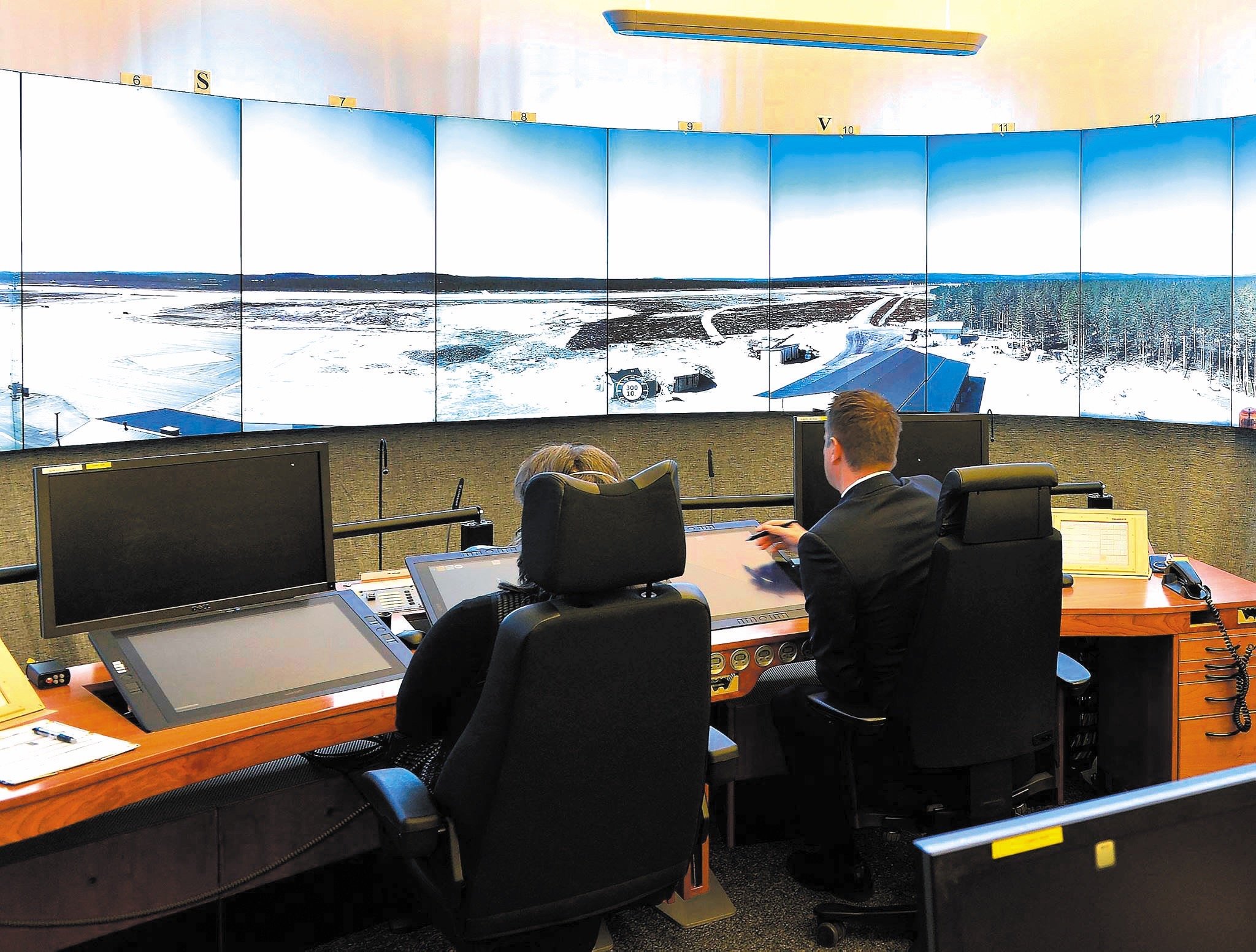
The law provides $3.35 billion for airport planning and development and noise compatibility planning and programs. Appropriations for facilities and equipment from the Airport and Airway Trust Fund will run for the same term, increasing annually from $3.33 to $3.707 billion in 2023. These monies will be used in part to upgrade ASOS/AWOS systems, fund remote (unattended) towers, eliminate the deferred maintenance backlog of air navigation facilities (many of which are over 40 years old) and improve cybersecurity within ATC as well as in the National Airspace System.
The FAA Reauthorization Bill of 2018 provides $90 billion in long-term funding (2018-2023) for the FAA and TSA, enabling significant investments in airport development, air navigation facilities, cybersecurity, and modernization of systems like ASOS/AWOS and the Civil Aviation Registry.
The bill enhances pilot protections by expanding the Pilot's Bill of Rights, ensuring greater transparency in investigations, timely access to reports, detailed reexamination justifications, and protection against enforcement for unavailable NOTAMs.
It mandates regulatory reforms and new pilot programs, including a task force to streamline flight standards and Part 91 oversight, a pilot program for remote air traffic control towers, and a review of general aviation safety.
New provisions support general aviation, clarify rules for pilots sharing flight expenses, extend aircraft registration duration, offer liability protection for volunteer pilots, and establish initiatives to promote STEM education and aviation careers among women and youth.
On October 5th the president signed the FAA Reauthorization Bill of 2018 into law. It contains important provisions that directly affect how the FAA operates and how we fly. There is much in the law that we care about as pilots and airspace system users.
CREATE A FREE ACCOUNT
Sign up to keep reading
Create a free account to continue. Already a member? Sign in below.