














Register

PANIC? Don’t!

Gemini Sparkle

Key Takeaways:

  • Always have a pre-planned strategy for engine failure, especially on departure (considering straight-ahead landing or a 180-degree turn at 800+ feet), and continuously identify potential emergency landing sites en route.
  • Upon an engine failure, immediately establish best glide speed, select a landing site, and perform a thorough flow check (fuel, ignition, mixture, carb heat) to investigate the cause and attempt a restart.
  • If a restart is unsuccessful, squawk 7700, make an emergency transmission, prepare the aircraft (e.g., crack doors), and focus on safely flying the plane to your chosen emergency landing site.
See a mistake? Contact us.

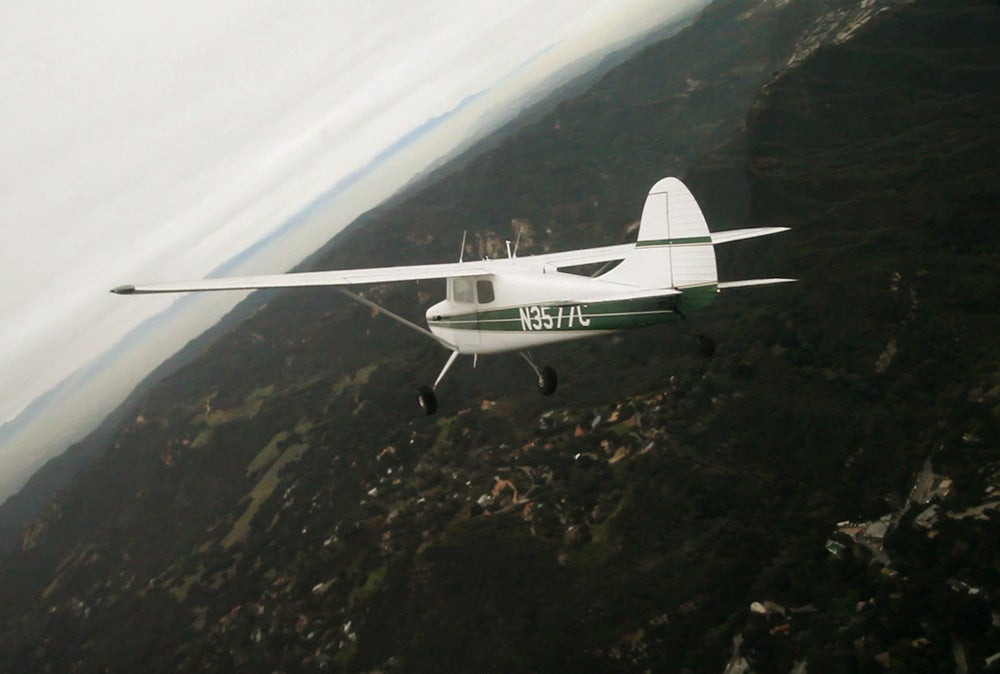
With airplanes being as reliable as they are, it’s easy to have a little too much confidence in their ability to keep us flying. But if an engine failure were to rear its ugly face, you’ll be glad you spent some time anticipating its arrival.

Always have a plan in mind for an engine failure on departure. If you don’t have enough runway to safely put the aircraft back down on the tarmac, remember that a successful 180-degree turn back to the airport can generally be completed only if you’re at least 800 hundred feet or more above the ground. Consider potential landing sites straight ahead.


Pia Bergqvist

Pia Bergqvist joined FLYING in December 2010. A passionate aviator, Pia started flying in 1999 and quickly obtained her single- and multi-engine commercial, instrument and instructor ratings. After a decade of working in general aviation, Pia has accumulated almost 3,000 hours of flight time in nearly 40 different types of aircraft.

Ready to Sell Your Aircraft?

List your airplane on AircraftForSale.com and reach qualified buyers.

List Your Aircraft
AircraftForSale Logo | FLYING Logo
Pilot in aircraft
Sign-up for newsletters & special offers!

Get the latest stories & special offers delivered directly to your inbox.

SUBSCRIBE
