













Register

Not Enough Departures

The ATC Handbook, FAA Order 7110.65, Paragraph 4-2-8 directs controllers to ask this of VFR aircraft seeking an IFR clearance in the air until they reach the minimum IFR altitude (MIA), typically, ATCs minimum vectoring altitude or the published MEA. If the pilot is able to maintain terrain and obstruction separation, the Handbook states, issue the appropriate clearance… If unable to maintain terrain and obstruction separation, instruct the pilot to maintain VFR and to state intentions.

Gemini Sparkle

Key Takeaways:

  • Part 91 pilots are legally permitted to accept responsibility for terrain and obstruction clearance when departing under IFR from airports without instrument procedures, as no specific IFR regulation prohibits it.
  • However, accepting this responsibility without a thorough assessment can be deemed "careless and reckless" under FAA regulation 91.13, as the pilot becomes solely responsible for obstacle avoidance in instrument conditions.
  • Pilots must rely on their own knowledge, charts, and modern avionics (like GPS and EFBs with terrain databases) to ensure safe clearance, and should communicate their departure plans to ATC.
See a mistake? Contact us.

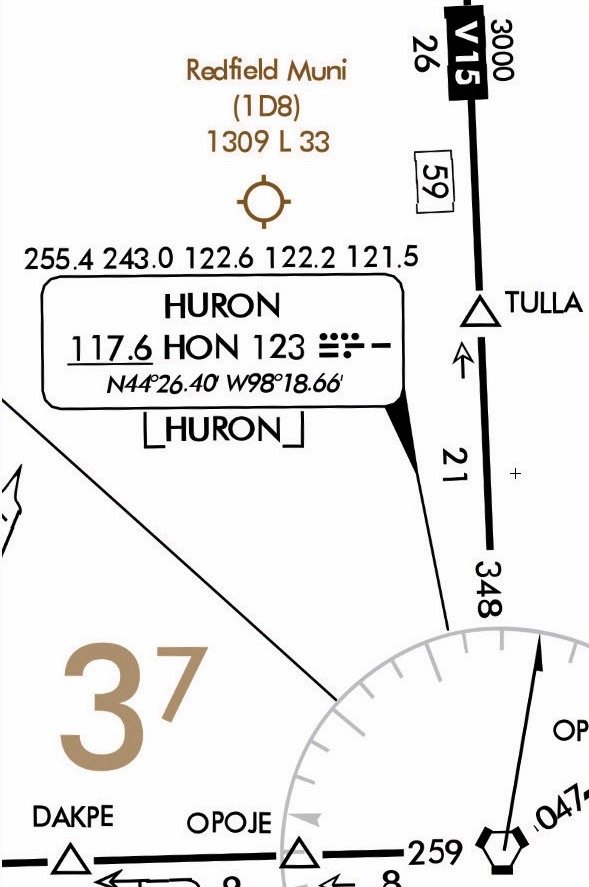
A family outing brought you to Redfield, SD (1D8), a Class G airport with no approaches. Your departure ceiling is approximately 900 feet. You filed an IFR flight plan, using TULLA as your initial waypoint to pick up an airway. You contact Minneapolis Center to ask for your clearance. You hear, “are you able to provide your own terrain and obstruction clearance between your present altitude and 3000 feet?”

With no procedure and controlled airspace beginning at 1200 feet AGL, can you legally say, “Yes”?


Ready to Sell Your Aircraft?

List your airplane on AircraftForSale.com and reach qualified buyers.

List Your Aircraft
AircraftForSale Logo | FLYING Logo
Pilot in aircraft
Sign-up for newsletters & special offers!

Get the latest stories & special offers delivered directly to your inbox.

SUBSCRIBE