













Register

Using The Rudder

Without some kind of indicator to help us manage yaw, we can’t always trust the seat of our pants. 

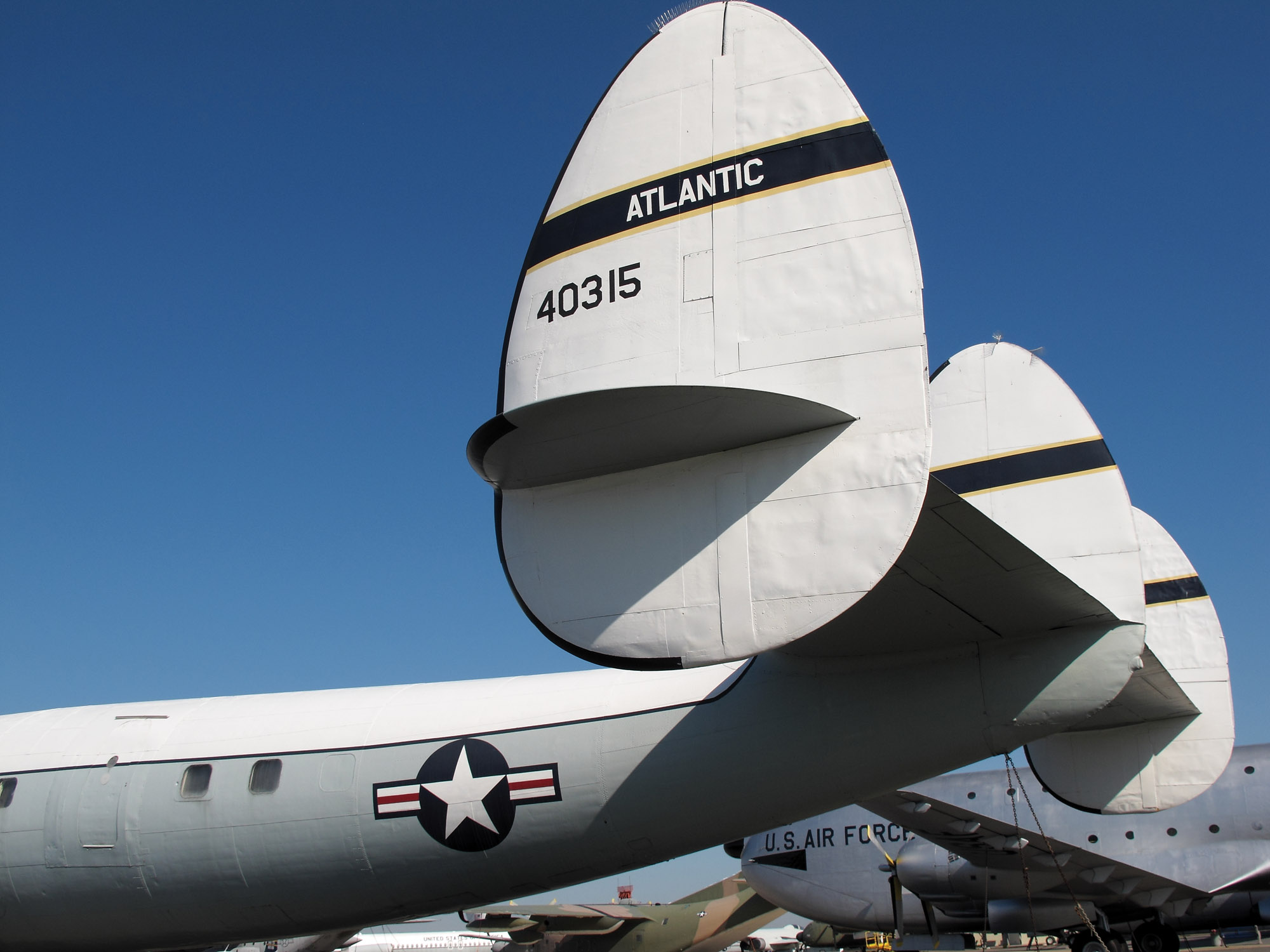
The Lockheed Constellation pictured here and on the cover is on display at the Air Mobility Command Museum in Dover, Del. The airplane left the factory as an L-1049E Super Constellation and was in scheduled service for carriers like Cubana Airlines, Eastern Airlines and BOAC. In the 1960s, it became part of a cocktail lounge in Penndel, Penn., where it remained until 1997, when Amoco acquired it and donated it to the museum. Its restoration to resemble a C-121C was completed in 2003. The Constellation’s iconic triple tail had a practical purpose: ensuring adequate hangar-door clearance. [Image: Mr.TinMD/Flickr]
Gemini Sparkle

Key Takeaways:

  • While flight simulators excel in many areas, they are often inadequate for accurately teaching and practicing nuanced rudder use, particularly in critical situations like engine failures.
  • Effective rudder input is essential for maintaining coordinated, yawless flight in various phases, including counteracting propeller-induced yaw during climbs, adverse yaw during rolls into/out of turns, and asymmetric thrust in multi-engine engine-out scenarios.
  • Pilots must develop the ability to detect yaw using a combination of external visual cues (e.g., horizon movement), internal instruments (slip-skid indicator), and the "seat of the pants" feel to ensure precise and timely rudder application.
See a mistake? Contact us.

It was a perfect day, without a cloud to be seen. An experienced pilot who hadn’t done much flying in small piston airplanes recently wanted to review steep turns, stalls and slow flight. It was time for the experienced pilot to remind his eyes and feet how to work with each other to approximate coordinated flight. 

Turbine training, especially in full-motion simulators, is a wonderful tool. Don’t ask me how I know what happens when the critical engine fails with the airplane misconfigured. Let’s just say I’m glad I was in the sim. Steep turns are quite realistic, and you can even feel the g-forces. Stalls are realistic. Sims are great for procedures, too, with lots of departure procedures and holds and arrivals and instrument approaches to minimums. You get to practice low-visibility taxi and takeoff, conditions hard to find in everyday flying. But if you need it, you’ll be glad you practiced.


Ready to Sell Your Aircraft?

List your airplane on AircraftForSale.com and reach qualified buyers.

List Your Aircraft
AircraftForSale Logo | FLYING Logo
Pilot in aircraft
Sign-up for newsletters & special offers!

Get the latest stories & special offers delivered directly to your inbox.

SUBSCRIBE