













Register

Pilots vs. Controllers

When average Americans wake up and go to work every day, they expect to see mostly the same faces, same routine, the same stuff-like the expression same stuff, different day suggests. When pilots and air traffic controllers go to work, its often the same coworkers in the room or cockpit, but we both work with people on a daily basis that we have most likely never met. In fact, the chance that a center controller has met a pilot that they talk to on the radio is miniscule. Tower and TRACON controllers might have a somewhat higher chance.

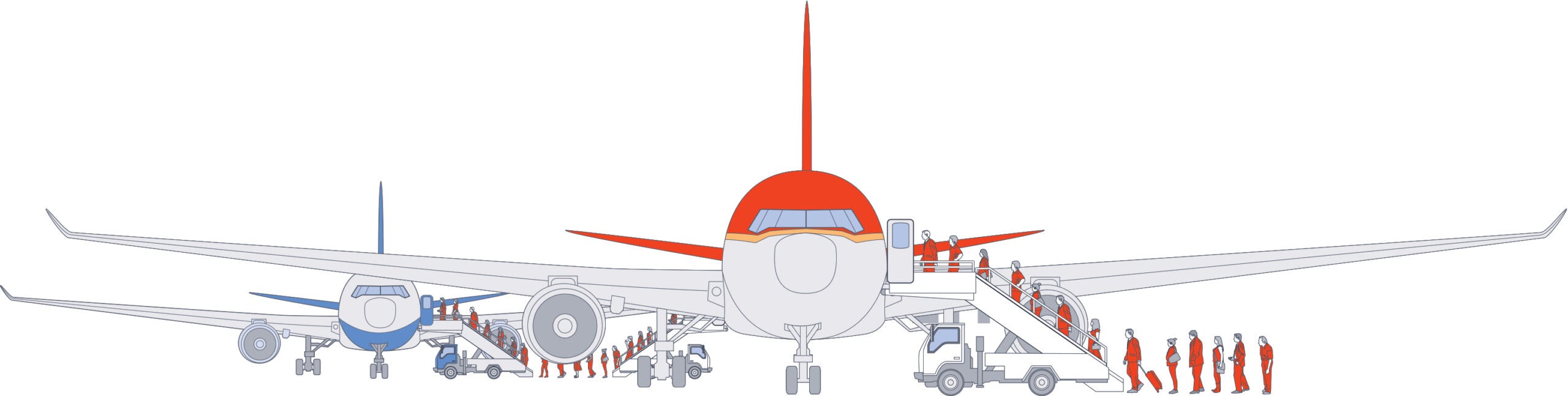
An airline's mishandling of a debacle could have passengers looking elsewhere for future trips. Illustration by Tim Barker
Gemini Sparkle

Key Takeaways:

  • Pilots and air traffic controllers often work with strangers, and a lack of mutual understanding regarding each other's roles, objectives, and operational stresses can lead to tension, conflict, and potential safety risks.
  • The article emphasizes that controllers who are also pilots (and vice-versa) demonstrate greater understanding, facilitating smoother and safer operations compared to those with limited insight into the other's perspective.
  • Achieving the ultimate goal of a safe, orderly, and expeditious flow of air traffic requires both pilots and controllers to look beyond their immediate objectives and cultivate a cooperative "in this together" attitude.
  • Synergy and mutual respect can be significantly enhanced through practical steps like facility tours for pilots, flying experiences for controllers, and open, non-confrontational communication to foster continuous learning and empathy.
See a mistake? Contact us.

When average Americans wake up and go to work every day, they expect to see mostly the same faces, same routine, the same stuff—like the expression “same stuff, different day” suggests. When pilots and air traffic controllers go to work, it’s often the same coworkers in the room or cockpit, but we both work with people on a daily basis that we have most likely never met. In fact, the chance that a center controller has met a pilot that they talk to on the radio is miniscule. Tower and TRACON controllers might have a somewhat higher chance.

That being said, how well does each of us work with all these “new” guys. A few of us adapt quickly, but some of us really struggle with the relationship with an unknown person on the other end of the radio. Pilots who adapt quickly often have a good understanding of the role of ATC and their myriad, often confusing, procedures.


Ready to Sell Your Aircraft?

List your airplane on AircraftForSale.com and reach qualified buyers.

List Your Aircraft
AircraftForSale Logo | FLYING Logo
Pilot in aircraft
Sign-up for newsletters & special offers!

Get the latest stories & special offers delivered directly to your inbox.

SUBSCRIBE