













Register

Late Spring Transition

No matter how carefully you plan, problems seem to appear. But they can be mitigated exercising care in planning, situational awareness, and knowledge. Here, we focus on knowledge to help you gain that essential element of situational awareness to build on the rules of thumb youre originally taught.

Gemini Sparkle

Key Takeaways:

  • Late spring/early summer (May-July) in the U.S. generally sees a weakening of large-scale weather systems, but distinct regional patterns create specific aviation challenges.
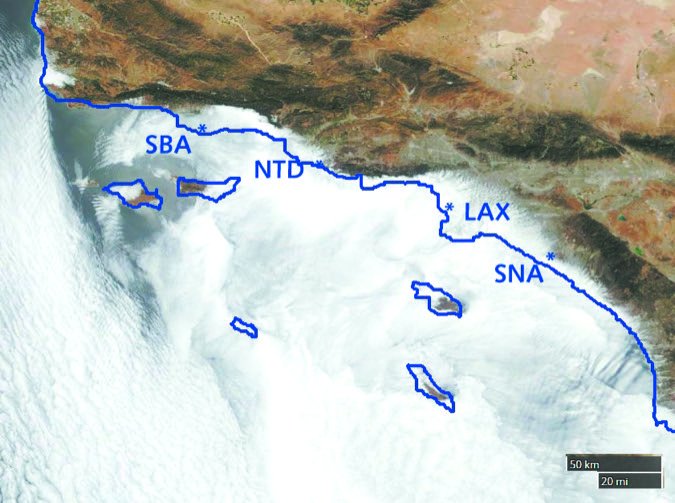
  • The **West Coast** is prone to frequent fog and low stratus due to cold ocean currents, often requiring pilots to "head inland" for visual conditions.
  • The **Western Interior** (Southwest/Rockies) experiences early intense heat, high density altitudes, and from June/July, daily afternoon monsoon thunderstorms.
  • **Central and Eastern regions** (Great Plains, Southeast, Midwest, Northeast) face increased instability, widespread afternoon "air mass" thunderstorms, persistent fronts, nocturnal storm complexes (MCCs), and risks of severe weather events like derechos.
See a mistake? Contact us.

No matter how carefully you plan, problems seem to appear. But they can be mitigated exercising care in planning, situational awareness, and knowledge. Here, we focus on knowledge to help you gain that essential element of situational awareness to build on the rules of thumb you’re originally taught.

Let’s look at the transition between spring and summer: May through July. It’s a popular travel period. With crowded ramps, tight itineraries, extra passengers, and the haphazard convective weather, it pays to have a firm grasp on the weather patterns this time of year.


Ready to Sell Your Aircraft?

List your airplane on AircraftForSale.com and reach qualified buyers.

List Your Aircraft
AircraftForSale Logo | FLYING Logo
Pilot in aircraft
Sign-up for newsletters & special offers!

Get the latest stories & special offers delivered directly to your inbox.

SUBSCRIBE