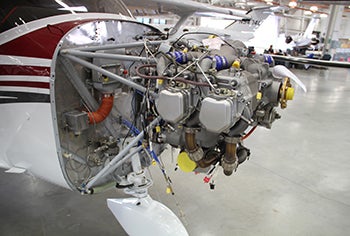
Aviation diesel engines offer significant advantages over gasoline engines, including better fuel efficiency, the ability to run on globally abundant Jet-A fuel (critical as 100LL avgas's future is uncertain), and simplified single-lever operation.
Despite these benefits and growing global demand, their widespread adoption in the U.S. is currently hindered by factors like higher initial costs, weight, altitude limitations, the existing fleet, and historical market setbacks.
Nevertheless, the market is rapidly evolving with increased competition and new engine developments from manufacturers like Diamond, Cessna, and Continental/Technify, indicating that diesels are a progressively smart and inevitable choice for the future of general aviation due to their long-term economic and operational benefits.
What pilots in Europe, Africa, South America and Asia already know about aviation diesels — or, to use the more technically precise term, compression-ignition engines — we’re slowly learning for ourselves here in America. And the more we learn, the more we’re starting to think we could get used to the smell of jet fuel powering our piston airplanes.
CREATE A FREE ACCOUNT
Sign up to keep reading
Create a free account to continue. Already a member? Sign in below.