













Register

Those Shifty Winds

Gemini Sparkle

Key Takeaways:

  • Wind direction changes, known as veering (clockwise) and backing (counter-clockwise), are primarily influenced by two factors: temperature advection (thermal wind relationship) and friction within the planetary boundary layer.
  • Warm air advection causes winds to veer with height, while cold air advection causes them to back with height.
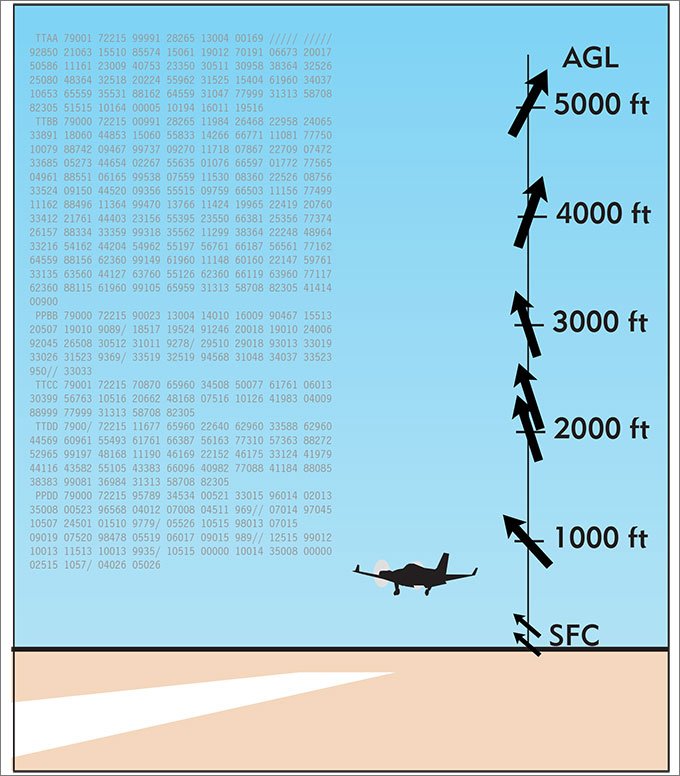
  • Within the lowest few thousand feet (planetary boundary layer), friction causes winds to back with decreasing height, typically by 20-30 degrees.
  • However, turbulence and mixing within the boundary layer introduce significant randomness that often overwhelms these predictable shifts, making precise in-layer wind changes difficult for pilots to forecast; anticipating changes between distinct air masses or layers is more reliable.
See a mistake? Contact us.

An excellent article by editor Frank Bowlin on ILS technique appeared in the February issue. A small error led to some confusion, and IFR embarked on a quest for accuracy. That quest got stymied with some faulty background. We thank astute readers for returning us to the righteous path. I’ll now clear away all confusion and help you understand in great detail which way the wind shifts, and why.

Definitions
When talking about wind shear, it’s important to be thoroughly familiar with the terms “veering” and “backing”. Veering is a clockwise change in the wind direction, normally in terms of increasing height or with time. Good practice is to carefully qualify all measures of veering to avoid confusion. For example if the winds are from the south at the surface and from the west aloft, that’s described as a wind profile that “veers with height.”


Ready to Sell Your Aircraft?

List your airplane on AircraftForSale.com and reach qualified buyers.

List Your Aircraft
AircraftForSale Logo | FLYING Logo
Pilot in aircraft
Sign-up for newsletters & special offers!

Get the latest stories & special offers delivered directly to your inbox.

SUBSCRIBE