













Register

We Still Need NAVAIDs

Gemini Sparkle

Key Takeaways:

  • Pilots transitioning to older aircraft for IFR flight must refresh their knowledge of traditional navigation methods (VOR/LOC), including specific procedures like VOR checks, Victor airways, and timed approaches.
  • Legacy VOR and ILS/LOC approaches remain critical in the aviation system, requiring pilots to maintain proficiency despite the prevalence of GPS.
  • Executing complex IFR scenarios with traditional equipment, such as VOR approaches requiring circling minimums and timing due to a lack of DME, demands thorough pre-flight planning and awareness of aircraft limitations.
  • The article underscores the practical challenges and enduring importance of traditional navigation proficiency in real-world IFR operations.
See a mistake? Contact us.

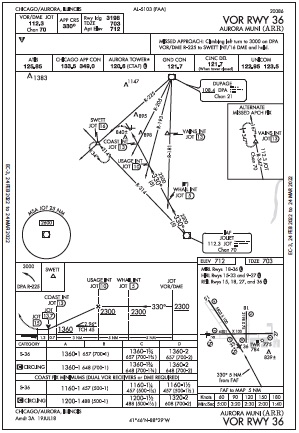
While even the classic aircraft typically have at least a portable GPS on board, going IFR can mean relying on something like a localizer or (gasp) a VOR to get to a runway. If it’s been a while since using these, don’t forget that there’s more to know than tuning, twisting, and following the needle. You’ll need to manage stuff like Victor airways (got it), VOR checks (fuzzy on those) and just possibly, timed approaches to deal with (oh, great). And just like any flight, getting organized in advance is key.

The Other One

Ready to Sell Your Aircraft?

List your airplane on AircraftForSale.com and reach qualified buyers.

List Your Aircraft
AircraftForSale Logo | FLYING Logo
Pilot in aircraft
Sign-up for newsletters & special offers!

Get the latest stories & special offers delivered directly to your inbox.

SUBSCRIBE
