













Register

Handling Windshear

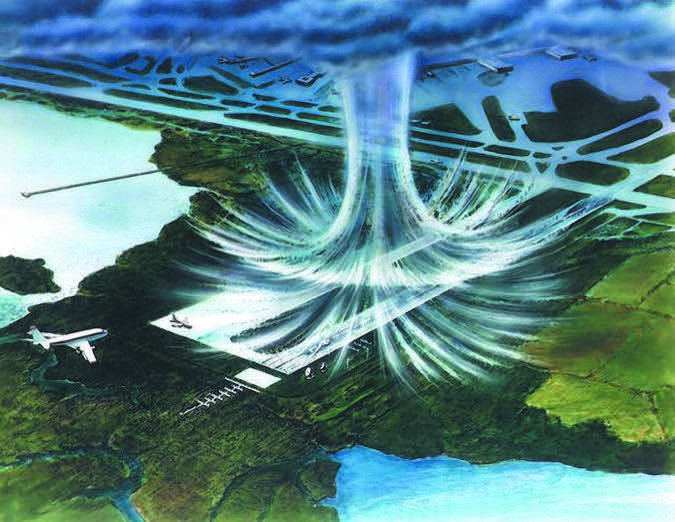
Really big winds and airplanes are not compatible. Of course, our first desire is to avoid those big winds. But, occasionally they sneak up on us even when were diligent about avoiding them. Then what should you do?

Gemini Sparkle

Key Takeaways:

  • Prioritize avoidance of dangerous winds and thunderstorms by understanding the capabilities and limitations of weather detection systems (e.g., radar, broadcast weather, lightning detectors) and actively maneuvering around storm cells in all stages.
  • Recognize windshear, especially microbursts near the ground, by monitoring stabilized flight parameters for sudden, significant changes (e.g., 10+ knots airspeed change, or drastic power requirement shifts).
  • If windshear is encountered, execute an immediate emergency escape maneuver by applying maximum takeoff power, pitching aggressively to the edge of a stall (using the stall warning as a guide), and maintaining the current aircraft configuration until clear.
See a mistake? Contact us.

Really big winds and airplanes are not compatible. Of course, our first desire is to avoid those big winds. But, occasionally they sneak up on us even when we’re diligent about avoiding them. Then what should you do?

Detection

The kinds of winds we’re talking about typically come from storm cells and those are easy to detect with the right equipment. Radar is the most common, but it’s often not fiscally or physically practical in a typical general-aviation aircraft. That leaves two other choices: broadcast weather (a satellite service or FIS-B) and lightning detectors, also known as ‘spherics (for “atmospherics”).


Ready to Sell Your Aircraft?

List your airplane on AircraftForSale.com and reach qualified buyers.

List Your Aircraft
AircraftForSale Logo | FLYING Logo
Pilot in aircraft
Sign-up for newsletters & special offers!

Get the latest stories & special offers delivered directly to your inbox.

SUBSCRIBE