













Register

Questions Answered

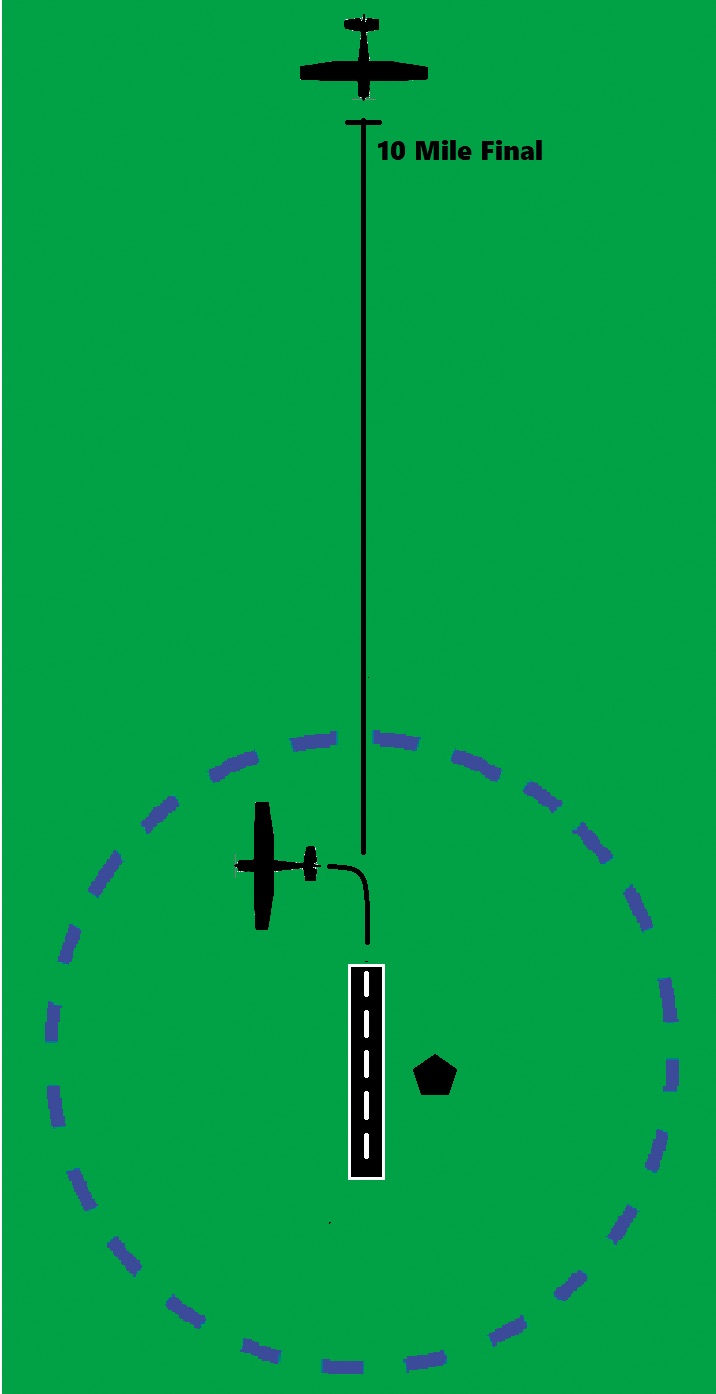
Some towers require 10 miles between an IFR departure and an IFR opposite-direction arrival. Below/Right: Runway separation minimum varies with the type of aircraft.
Gemini Sparkle

Key Takeaways:

  • ATC procedures, such as those for opposite-direction operations and runway separation, are dictated by local agreements and facility directives, which can vary significantly by airport and aircraft category.
  • Pilots are expected to understand the implications of ATC instructions, such as "Line Up and Wait" signifying immediate readiness for departure, and should communicate any unreadiness.
  • ATC maintains a responsibility to separate aircraft, and may issue vectors or altitude changes to VFR aircraft on flight following, even in Class E airspace, to ensure safety when traffic conflicts arise.
  • Providing firm and immediate feedback to pilots, especially students, for safety-critical errors, even while airborne, can be more impactful for preventing future dangerous incidents.
See a mistake? Contact us.

Just like pilots, controllers get plenty of questions, comments, concerns, and sometimes complaints. Bonus: Writing these articles gives me an opportunity to address some items in print. Of course, I’ve dealt with my share of good and bad remarks on and off frequency. It’s not at all unusual for a pilot to wonder; “What is going on in that Tower?” It’s okay to think that; sometimes we think the same thing about pilots.

Opposite Direction

Ready to Sell Your Aircraft?

List your airplane on AircraftForSale.com and reach qualified buyers.

List Your Aircraft
AircraftForSale Logo | FLYING Logo
Pilot in aircraft
Sign-up for newsletters & special offers!

Get the latest stories & special offers delivered directly to your inbox.

SUBSCRIBE
