













Register

Minimum Altitudes

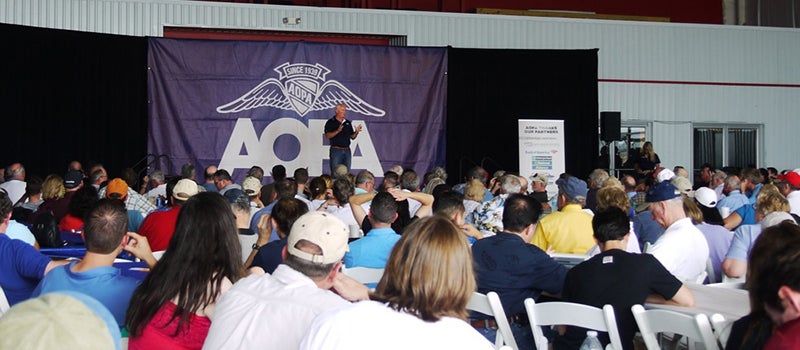
Mark Baker at the AOPA Fly-In earlier this year. Mark Baker AOPA
Gemini Sparkle

Key Takeaways:

  • The article differentiates between standard "charted" IFR altitudes and less familiar "uncharted" ones, primarily focusing on the Minimum Vectoring Altitude (MVA) and Minimum Instrument Altitude (MIA).
  • MVAs are radar-dependent altitudes used by controllers, often lower than charted minimums, for vectoring aircraft while ensuring obstacle clearance in terminal and en-route areas.
  • MIAs are similar to MVAs but do not require radar and are generally used in Center airspace, providing another potential avenue for pilots to request lower altitudes from ATC (e.g., to escape icing).
  • Although MVA and MIA charts are intended for controllers and challenging for pilots to interpret directly, knowing they exist empowers pilots to ask ATC for lower altitude clearances, offering more operational flexibility and options.
See a mistake? Contact us.

Instrument training is littered with acronyms and abbreviations. Altitudes like MEA, MCA, MOCA, OROCA can end up being the bane of students. And that’s just the en-route altitudes. When we get into the terminal environment, we then have the procedural MEAs on SIDs and STARs and, of course, the minimum—and sometime maximum—altitudes for the various segments of instrument approaches, from TAA to procedure turn to intermediate leg to FAF crossing to MDA (or DA) and finally the missed approach altitudes.

Charted IFR Altitudes

Ready to Sell Your Aircraft?

List your airplane on AircraftForSale.com and reach qualified buyers.

List Your Aircraft
AircraftForSale Logo | FLYING Logo
Pilot in aircraft
Sign-up for newsletters & special offers!

Get the latest stories & special offers delivered directly to your inbox.

SUBSCRIBE
