











With sunny skies and calm winds, it’s a surprise to reach cruise altitude and find a bumpy ride. Though computer modeling is beginning to overcome many limitations in turbulence prediction, the products aren’t always accurate and don’t convey the nature of the problem. So, it’s pretty important for pilots to be well versed in what causes turbulence. Fortunately we can distill it all to two root causes: buoyancy and friction. These are the building blocks of virtually all turbulence types.
Staying In One Piece

Key Takeaways:
- Turbulence, a significant challenge in aviation, stems primarily from two root causes: buoyancy (e.g., thermals, convective storms) and friction (e.g., wind interacting with terrain, jet stream shear).
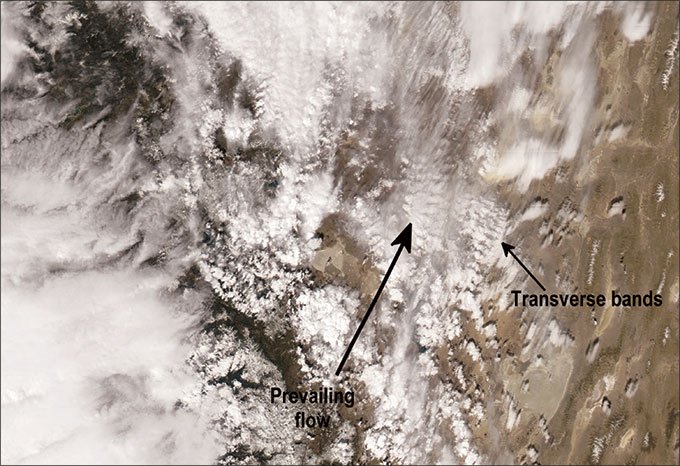
- Key types of turbulence include convective (from heated surfaces and storms), mechanical (from wind interacting with obstacles), mountain wave (from winds over mountains), clear air (from jet stream shear), and wake turbulence (from other aircraft).
- Pilots can enhance safety by understanding these causes and utilizing meteorological tools like CAPE for convective activity, combined with awareness of terrain features and jet stream dynamics, to predict and avoid hazardous conditions.
Key takeaways sponsored by Aviator Pro | Start Your Training ->
See a mistake? Contact us.

