













Register

The End Of Six Delta Fox

Gemini Sparkle

Key Takeaways:

  • The accident, despite the pilot's correct emergency maneuvers post-engine failure, was a preventable "run-of-the-mill fuel exhaustion" highlighting a persistent issue of pilots failing to recognize and act on critical fuel situations.
  • Pilots must maintain continuous situational awareness regarding fuel, including verifying quantities during preflight, actively monitoring consumption, and understanding their aircraft's fuel system, not solely relying on gauges.
  • Preventing future fuel exhaustion incidents requires a multi-faceted approach, with regulators, manufacturers, instructors, and pilots all needing to improve training, awareness, and robust solutions for fuel management.
See a mistake? Contact us.

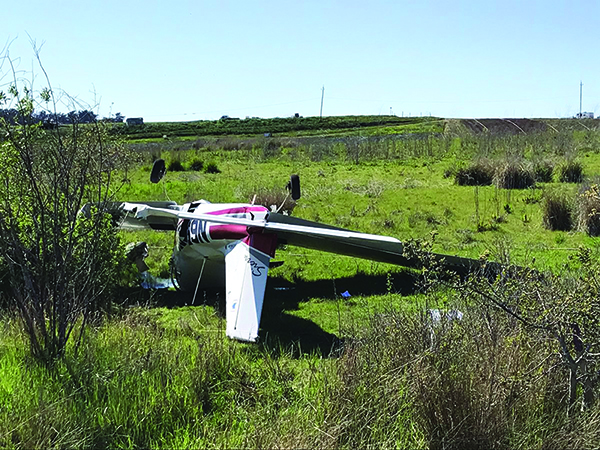
When my student crashed last week, I was one of the first to know. After experiencing relief that there were no injuries and disappointment that the Tecnam P2002 Sierra likely would not fly again, an unsettling feeling—was there something more I could have done?—took over. Maybe by relating in detail what happened, what decisions the pilot did and didn’t make, and how it all applies to the rest of us, there is.

On one level, I wish there was some element of this tale that would uncover a heretofore unknown vulnerability, a gap in our training and proficiency regime, or a hidden design flaw. There isn’t. Instead, this accident resulted from your basic, run-of-the-mill fuel exhaustion. The airplane used up all of the fuel aboard, the engine stopped producing power and gravity took over. It’s that simple.


Ready to Sell Your Aircraft?

List your airplane on AircraftForSale.com and reach qualified buyers.

List Your Aircraft
AircraftForSale Logo | FLYING Logo
Pilot in aircraft
Sign-up for newsletters & special offers!

Get the latest stories & special offers delivered directly to your inbox.

SUBSCRIBE