










James R. Warmkessel
Friday, February 9, 2024
What Now, Captain?
Your private certificate is truly a license to learn. The good news is the opportunities to gain experience are endless.


Your private certificate is truly a license to learn. The good news is the opportunities to gain experience are endless.

As a little boy, I always wanted to fly. I didn’t understand what it meant to be a pilot, just that to me, to be in the air was to be free. I grew up during the end of the Cold War, in the shadow of nuclear war with the USSR. I lived under the […]

Every flight starts with procedures and checklists for ensuring we follow all of its steps correctly. We have procedures for preparing the aircraft for flight, we have procedures for how to depart the airport and we have procedures for returning. These procedures are designed to help the pilots ensure that the aircraft is operated safely, […]
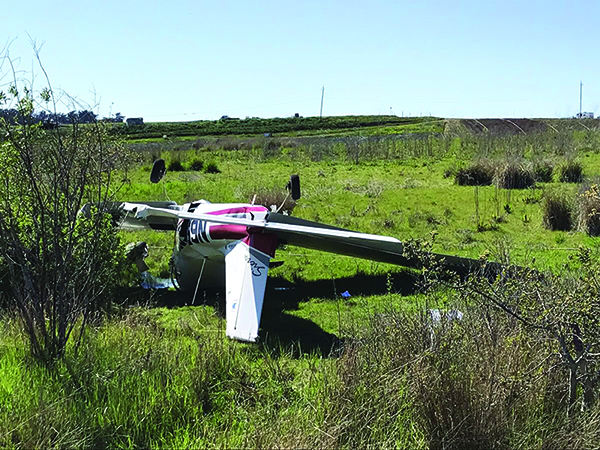
When my student crashed last week, I was one of the first to know. After experiencing relief that there were no injuries and disappointment that the Tecnam P2002 Sierra likely would not fly again, an unsettling feeling—was there something more I could have done?—took over. Maybe by relating in detail what happened, what decisions the […]
Over the last couple of years, Ive spent some time helping students transition to full-fledged private pilots. One of the first questions I do is ask them is to picture a standard six-pack of steam-gauge instruments and explain what they each do and where they get their energy. Most pilots can quickly rattle off the airspeed indicator, the altimeter and the vertical speed indicator. Those systems are relatively simple to understand and describe.
Pilots wanting to fly but who dont have the resources to own and operate their own airplane usually find themselves renting from an FBO or training organization, joining a flying club or entering into some kind of shared ownership arrangement. Renting or sharing airplanes often can be a good choice for someone with varying needs, but experiences can vary and your operational priorities, to put it gently, may not be shared by the organization supplying the aircraft.
Over the years, Ive had my share of urgent situations, events that were abnormal and required ending a flight in a fashion other than was planned or performing a checklist from the flight manuals emergencies section. These events never really turned into full-fledged emergencies, but emergency is defined by the person experiencing it. Most of us have experienced such episodes-peaking oil temperature, a rough-running engine, an unsafe landing gear indication. The outcome is more likely to be frustrated phone calls from unfamiliar airports, plus unscheduled underwear changes, than an accident report.
I still have my airplane today. And I’m very lucky I do. After the most recent annual inspection was completed, my aircraft’s induction system caught fire. I found I was woefully unprepared for such an event. If I was unprepared, you probably are, too.