














Register

Jumpseat: A Piece of Metal and the End of an Era

Gemini Sparkle

Key Takeaways:

  • Air France Flight 4590, a Concorde, crashed in 2000 shortly after takeoff due to a 16-inch piece of foreign object debris (FOD) on the runway, which punctured a tire, ruptured a fuel tank, and caused a catastrophic fire and engine failures.
  • The accident resulted in 113 fatalities and ultimately led to the grounding and eventual retirement of the Concorde fleet, marking the end of an era for supersonic commercial travel.
  • This tragedy inspired the development of Xsight Systems' FODetect, an automated runway debris detection technology that uses radar and laser sensors integrated with runway edge lights.
  • FODetect provides real-time alerts, exact location, and visual confirmation of FOD, significantly enhancing runway safety and allowing for rapid removal of hazards, with additional features like SnowWize and BirdWize.
See a mistake? Contact us.

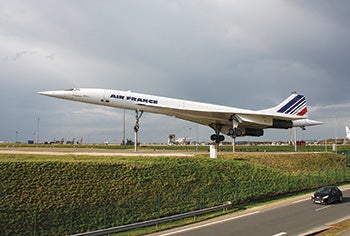
On July 25, 2000, Air France Flight 4590 begins a takeoff roll from Runway 26R at Charles De Gaulle Airport in Paris. The airplane is a Concorde, en route to the John F. Kennedy International Airport. It is operating as a charter flight with passengers that will board a cruise ship in New York.

Barely a minute into the takeoff, the tower controller advises the flight, “You have flames behind you.” The crew acknowledges the report. Fifteen seconds later, an unconfirmed voice on tower frequency states, “It’s really burning and I’m not sure it’s coming from the engines.”


Les Abend

Les Abend is a retired, 34-year veteran of American Airlines, attempting to readjust his passion for flying airplanes in the lower flight levels—without the assistance of a copilot.

Ready to Sell Your Aircraft?

List your airplane on AircraftForSale.com and reach qualified buyers.

List Your Aircraft
AircraftForSale Logo | FLYING Logo
Pilot in aircraft
Sign-up for newsletters & special offers!

Get the latest stories & special offers delivered directly to your inbox.

SUBSCRIBE
