















BROUGHT TO YOU BY FLYING FINANCE
Phase 2 of MOSAIC took effect July 24, and most coverage has centered on what pilots are now allowed to fly.
Now that the rule has gone fully propulsion-agnostic, there are a lot of parameters that broaden the scope of the discussion for light sport aircraft (LSA). What’s received less attention, now that the rule is live rather than pending, is the cost of getting into various compliant aircraft.
MOSAIC Phase 2 formalizes two distinct paths into the same regulatory category, and now that Part 22 certification provisions are in force, they’re pricing out differently in the real market.
Two Ways Into Same Category
Path one includes legacy certified aircraft that happen to stall slow enough to qualify. Path two is the new-production wave purpose-built for the rule, namely, Tecnam’s MOSAIK59 family, Bristell’s RG and B23M lines, and others engineered from the outset around the 59-knot clean stall speed threshold.
Both paths land the pilot in the same expanded sport pilot privilege set, but the costs are not remotely the same.
Legacy Path
MOSAIC replaced the old 1,320-pound weight cap with a stall-speed test. Sport pilots can now fly LSAs that meet their limitations and a clean stall speed (VS1) at or below 59 knots calibrated airspeed. That single change reaches as much as 70 percent of the current general aviation fleet.
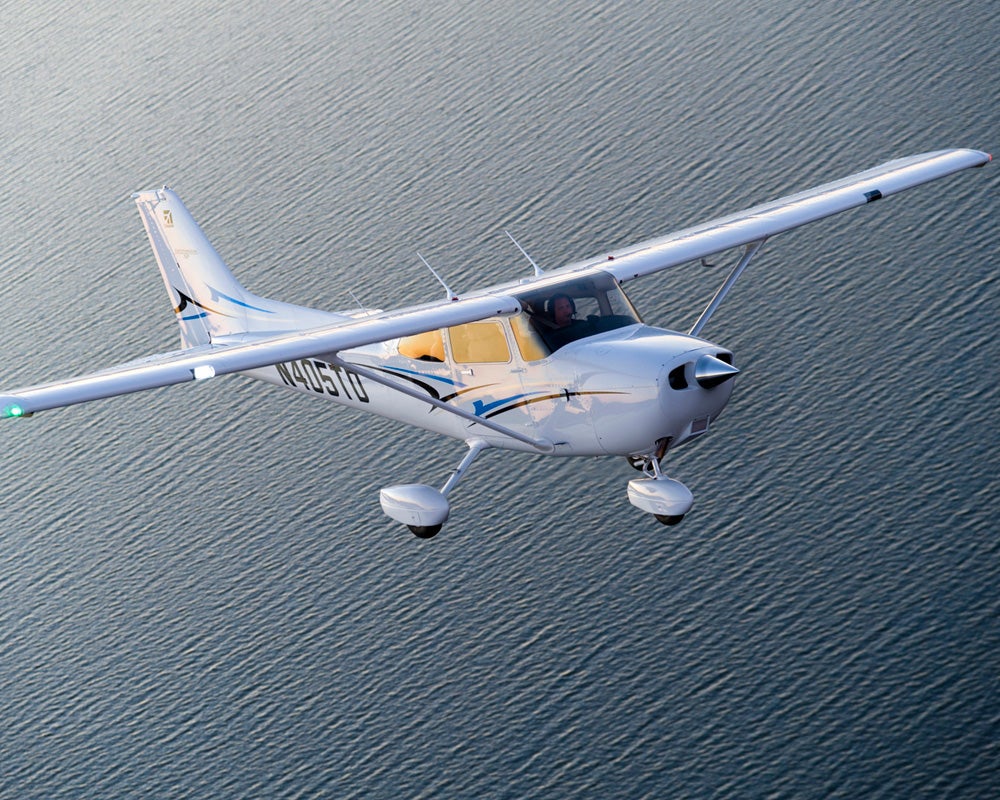
Legacy models such as the Cessna 172 are now flyable by sport pilots. The Cessna 172, Cessna 182, and Piper Cherokee/Archer family are commonly qualifying examples, though eligibility still depends on the specific model year and configuration. Qualifying aircraft keep their standard airworthiness certificates rather than converting to special light sport aircraft (S-LSA).
Pricing on that legacy fleet is well established and skews low. Used Cessna 172 asking prices run from roughly $12,000 to $599,000, with a median around $129,500, and Aircraft For Sale’s own buyer’s guide can give you more detail.
Piper’s Cherokee/PA-28 family prices similarly. Decades of production volume and a deep, liquid used-aircraft market keep the acquisition cost of a compliant legacy airframe low relative to anything coming off a factory line today.
New-Build Path
Purpose-built MOSAIC aircraft are priced like the clean-sheet designs they are, and with Part 22 now in effect, that pricing is what buyers are being quoted rather than a prelaunch estimate.
Tecnam’s MOSAIK59 line remains booked into 2027 production slots even with the rule live, and the company is still holding buyers to a fully refundable $10,000 deposit just to reserve a place in line for Q1/Q2 2027 delivery.
The rule taking effect this summer didn’t shorten that wait or reduce prices. Bristell’s RG, likewise, lists across dealer inventory from roughly $100,000 to $320,000 depending on engine choice and equipment, with the fully MOSAIC-configured B23M variant (1,653 pounds MTOW, BRS parachute standard, Garmin G3X Touch) at the top of that range as a factory-fresh airplane.
Within the same category, the price gap can run into six figures depending on which route you take.
None of this is arbitrary. Legacy aircraft are riding decades of amortized tooling and a used-aircraft market with deep liquidity—for example, a 1970s-era 172 is a known quantity to lenders, insurers, and mechanics. New-build MOSAIC aircraft carry the cost of retractable gear, constant-speed propellers, modern glass panels, and engineering to a stall-speed and structural standard that didn’t exist as a design target until recently.
The rule taking effect gave manufacturers legal cover to deliver these configurations, but it didn’t touch the underlying cost of building them.
The production bottleneck compounds it. When demand outruns near-term supply, list prices don’t tend to soften.
There’s an argument that the new aircraft are worth the premium on a cost-per-mission basis. Modern Rotax powerplants sip fuel compared to the O-320s and O-360s in most legacy trainers, useful loads under MOSAIC are significantly higher than the old 1,320-pound LSA cap allowed, and warranty coverage on a factory-new airframe isn’t something a 50-year-old Cessna can offer.
But “worth it” and “cheaper” are different questions, and the second one is where financing decisions actually turn.
What This Means for Financing Conversations
The acquisition-cost gap flows straight into how these purchases are financed, even without pinning down specific rates.
A legacy 172 or Cherokee financed under MOSAIC’s expanded sport pilot privileges is a known asset class to lenders. It’s the same airframe that’s been financed for decades, just newly opened to a different pilot population. Underwriting looks a lot like it always has. Airframe age, engine time since major overhaul, and damage history drive the conversation.
A new-production Tecnam or Bristell is a different underwriting exercise entirely. These are newly introduced airframes in a rule category that has only just fully been phased in. Lenders are still building loss-history and resale-value assumptions for aircraft that, in some configurations, didn’t exist as financeable products eighteen months ago. A few weeks of Part 22 being in force hasn’t produced a resale track record to underwrite against.
If you’re trying to decide between the two paths, just know that going the legacy route buys a lower entry price and a well-understood financing product today, in exchange for older equipment and a smaller useful-load margin. Going new buys modern capability and warranty coverage, in exchange for a materially higher purchase price, a wait for delivery, and financing terms that are still being priced by a new market.
MOSAIC Phase 2 is mostly a technology and regulation story, but it’s more impactful for pilots to know the straightforward ownership-economics details that are still normalizing. The rule created two legitimate ways to end up flying under the same expanded privileges, and the price tags attached to each are still not close.
Talk to our team at FLYING Finance today to figure out which path is right for you.

