













Register

Filed vs. Cleared vs. Flown

Every instrument pilot should understand the process of filing, getting a clearance, and then flying an IFR flight plan. But why does it occasionally seem that ATC makes things complicated? Say you've filed a straightforward Point A to B then C. But then you're cleared from Point A to B then to X, Y, Z, and only finally to Point C. Why are these extra fixes in the flight plan? Where did they come from? Why this today instead of an intermediate RNAV fix that you usually get?

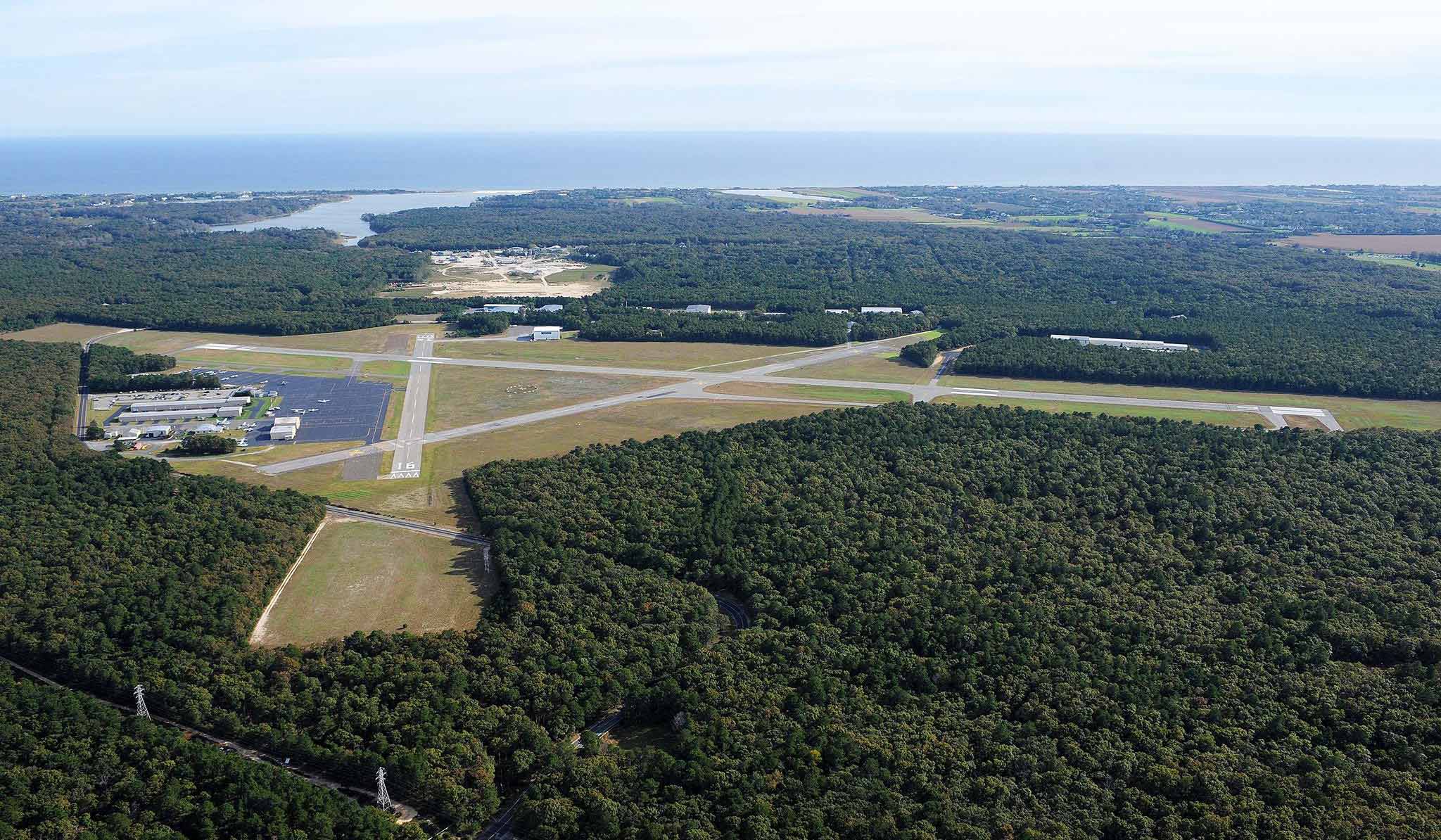
A court has issued a permanent injunction striking down locally created noise and access restrictions at HTO implemented by the town of East Hampton, New York. Friends of the East Hampton Airport/Facebook
Gemini Sparkle

Key Takeaways:

  • IFR clearances often appear indirect or change frequently because the National Airspace System (NAS) prioritizes overall safety and efficiency, adapting to dynamic factors like weather, traffic volume, restricted airspace, and system-wide flow management.
  • These seemingly complex routings, often dictated by higher-level traffic management units and various agreements, are essential for managing the entire system, even if local controllers or pilots don't always know the specific reasons.
  • Pilots should anticipate such dynamic clearances by carrying extra fuel and understanding that repeatedly refiling for a "direct" route may be unproductive if system-level constraints persist, though more direct routing may be issued once inflight conditions allow.
See a mistake? Contact us.

Every instrument pilot should understand the process of filing, getting a clearance, and then flying an IFR flight plan. But why does it occasionally seem that ATC makes things complicated? Say you’ve filed a straightforward Point A to B then C. But then you’re cleared from Point A to B then to X, Y, Z, and only finally to Point C. Why are these extra fixes in the flight plan? Where did they come from? Why this today instead of an intermediate RNAV fix that you usually get?

I actually get this question more than any other. These seemingly indirect routings might look like a lot more work than something simple, but they keep all airplanes moving safely. Sometimes there may not be much the pilot can do differently, but there are a few ways to possibly anticipate and plan the best route without having to redo it 10 times. The overriding key to this, of course, is that everything aviation is constantly changing, including the optimum route needed of you to keep the entire system moving smoothly.


Ready to Sell Your Aircraft?

List your airplane on AircraftForSale.com and reach qualified buyers.

List Your Aircraft
AircraftForSale Logo | FLYING Logo
Pilot in aircraft
Sign-up for newsletters & special offers!

Get the latest stories & special offers delivered directly to your inbox.

SUBSCRIBE