













Register

Low-Performance Takeoffs

In real life, it's rarely a standard day. The differences can turn our high-performance airplane into a real dog.

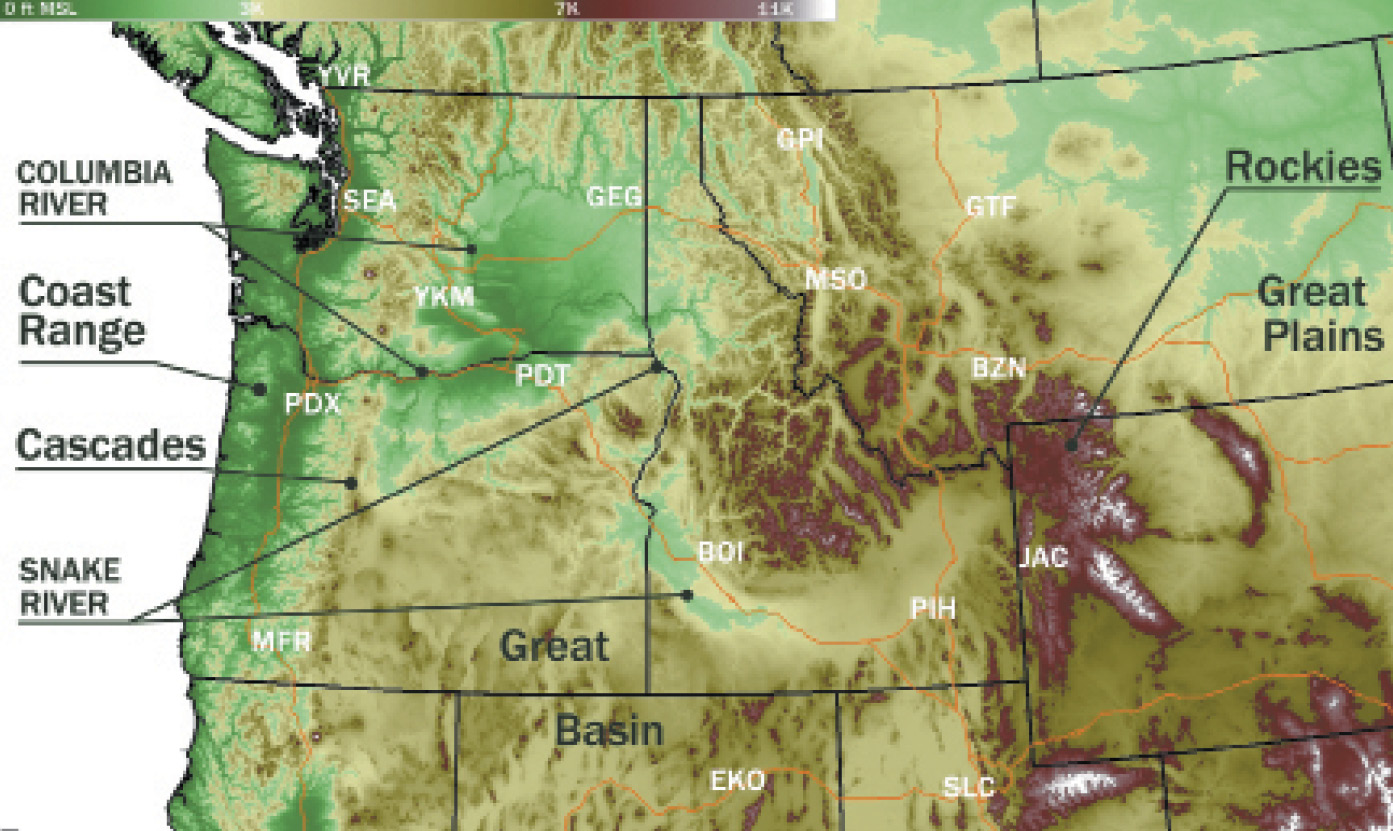
Terrain is the most significant factor in the Pacific Northwest weather.
Gemini Sparkle

Key Takeaways:

  • "Low-performance takeoffs" are a critical real-world aviation challenge, distinct from training maneuvers, primarily caused by high density altitude (due to temperature, pressure, and humidity) which significantly degrades aircraft takeoff and climb capabilities.
  • Realistic training for these challenging low-performance conditions is difficult or impossible in actual aircraft or even fully in simulators, potentially leading to pilots being surprised by unexpectedly poor performance.
  • To mitigate the risks of low-performance takeoffs, pilots must diligently consult performance charts, maintain precise airspeeds, lean the engine for maximum power, reduce aircraft weight when possible, and be prepared for reduced climb rates, recognizing that humidity further exacerbates performance degradation.
See a mistake? Contact us.

What’s a low-performance takeoff—I don’t see that anywhere in my FAR/AIM document? Private pilots are taught to master short-field takeoffs and maximum performance climbs according to the airman certification standards (ACS). Some people call these “high-performance takeoffs.”

This is a delicate skill, demanding precise airspeed control, which is another way of saying “precise attitude control.” The ACS includes checklists, radio calls, verifying the assigned runway as well as the actual standards: rotation speed, initial climb speed and climb speed after clearing the imagined obstacle.


Ready to Sell Your Aircraft?

List your airplane on AircraftForSale.com and reach qualified buyers.

List Your Aircraft
AircraftForSale Logo | FLYING Logo
Pilot in aircraft
Sign-up for newsletters & special offers!

Get the latest stories & special offers delivered directly to your inbox.

SUBSCRIBE