











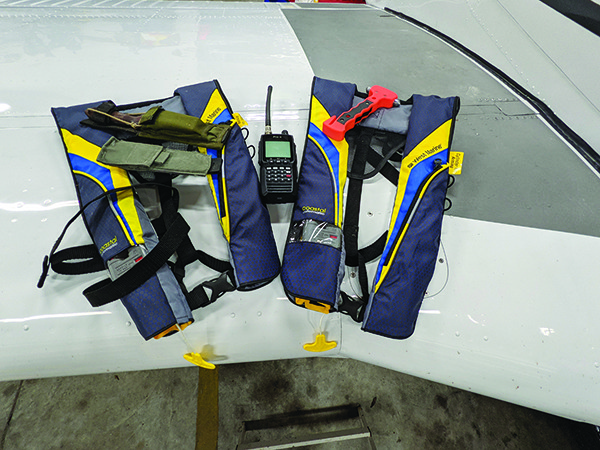


My previous article (“Off-Field Landings,” October 2021) discussed how to minimize the risks when a worst-case scenario becomes real. Doing what you can to prevent an off-field landing remains Job One, but sometimes things don’t work out. All of a sudden, you’re on the ground, the airplane is broken and you can’t get a cell signal on your phone. There may be injuries, and you’re not even sure where you are.
A lot of pilots do not consider how long rescue might take, especially if the crash site is in a remote or difficult-to-access location. It’s one thing to lose the engine and land on a Southern California Interstate, but it’s quite another over water or wilderness. If you have to “land out,” how can you help emergency services determine your location and keep everyone safe, secure and sheltered while you wait?

