











Flying a Baron 58P at Flight Level 250 some time ago, it occurred to me that there is no federal requirement for training in this pressurized, turbocharged twin beyond the Multiengine-Instrument ticket I earned years before in a 150-hp Piper Apache. Later, in unpressurized, turbocharged airplanes I was regularly flying at 20,000 feet using supplemental oxygen, and giving the only checkout new owners of similar airplanes would likely get in flight “up there.” Eventually it came to me that operations near and in the flight levels have several significant and subtle differences from altitudes where most of us fly, differences that can range from nuisance to deadly hazard. What are those hazards, what can we do to mitigate them and what does the FAA have to say about any of this? High altitude endorsement
As more general aviation pilots began flying in the flight levels (above 18,000 feet in standard conditions) the FAA took notice. A string of then-controversial mishaps in Piper Malibus may have prompted introduction of the high altitude endorsement in the early 1990s. Recognition that a new generation of personal pilots, many without military or professional training, was operating at high altitude is likely an even bigger factor in the rules development. The regulation, FAR 61.31g, requires pilots to obtain specific ground training on high-altitude flight as well as simulator or flight training “in the operation of a pressurized aircraft.” The regulation lists specific ground and flight syllabus items required to obtain each endorsement. The FARs requirements apply, however, only to aircraft that are both pressurized and certified for flight above FL250. Many airplanes-including the pressurized Baron-do not meet both criteria because the rules for certifying airplanes above FL250 make it expedient for many companies to arbitrarily limit their products to that altitude. Not pressurized and/or no approval above FL250? No high altitude endorsement is required. Moving up
New To The Flight Levels?
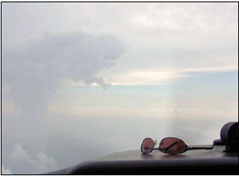
The high teens and low twenties are popular altitudes to fly but come with their own challenges. Its just enough different that you may need this refresher.

Key Takeaways:
- The article identifies a significant gap in FAA regulations, as specific high-altitude flight training is not required for many general aviation aircraft operating at or above FL180, despite the unique and subtle hazards involved.
- The existing FAA high-altitude endorsement (FAR 61.31g) is narrowly applied only to aircraft that are both pressurized and certified to fly above FL250, leaving many pilots flying high-performance, turbocharged, or pressurized aircraft without mandated specialized training.
- As more light aircraft are flying at "oxygen altitudes" (12,500-18,000 ft) and in the flight levels (FL180+), the author proposes voluntary High Altitude Training (HAT) to address critical areas like aerodynamics, weather, engine management, supplemental oxygen use, pilot physiology, and emergency descents, emphasizing individual pilot responsibility for acquiring this essential knowledge.
Key takeaways sponsored by Aviator Pro | Start Your Training ->
See a mistake? Contact us.

