











Kick the tires, light the fires.” So goes a popular, flippant saying about preflight inspections. Most of the time, thats what we and various accident reports would label an “inadequate preflight inspection.” Sometimes-immediately after stopping long enough to drop off or load a passenger, for example-it might be adequate. After all, we just flew it in here-its a perfectly good airplane; why bother risking burnt fingers to check the engine oil or soiling our clothes to check tire pressure? 288
Preflight Lessons
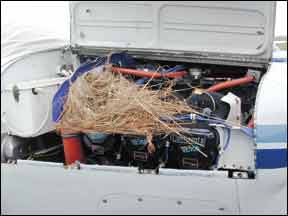
Kick the tires, light the fires." So goes a popular, flippant saying about preflight inspections. Most of the time, thats what we and various accident reports would label an "inadequate preflight inspection." Sometimes-immediately after stopping long enough to drop off or load a passenger, for example-it might be adequate. After all, we just flew it in here-its a perfectly good airplane; why bother risking burnt fingers to check the engine oil or soiling our clothes to check tire pressure? Indeed, we dont go to such trouble when getting in a car; why are we conducting an inspection at all? Thats easy: Because despite the overall safety of general aviation, regardless of our comfort with flying and/or with the specific airplane, the hard truth is that airplanes are terribly unforgiving of mechanical imperfection.

Key Takeaways:
- Thorough preflight inspections are critically important in aviation due to aircraft's unforgiving nature regarding mechanical imperfections.
- Rushing or neglecting a detailed preflight can lead to catastrophic accidents, exemplified by cases of missed damage, inoperative warning systems, or crucial component oversights like a missing fuel cap.
- Pilots-in-command bear ultimate responsibility for determining an aircraft's airworthiness and must conduct inspections dispassionately, utilizing checklists to avoid rationalizing away issues or overlooking vital details.
Key takeaways sponsored by Aviator Pro | Start Your Training ->
See a mistake? Contact us.

