











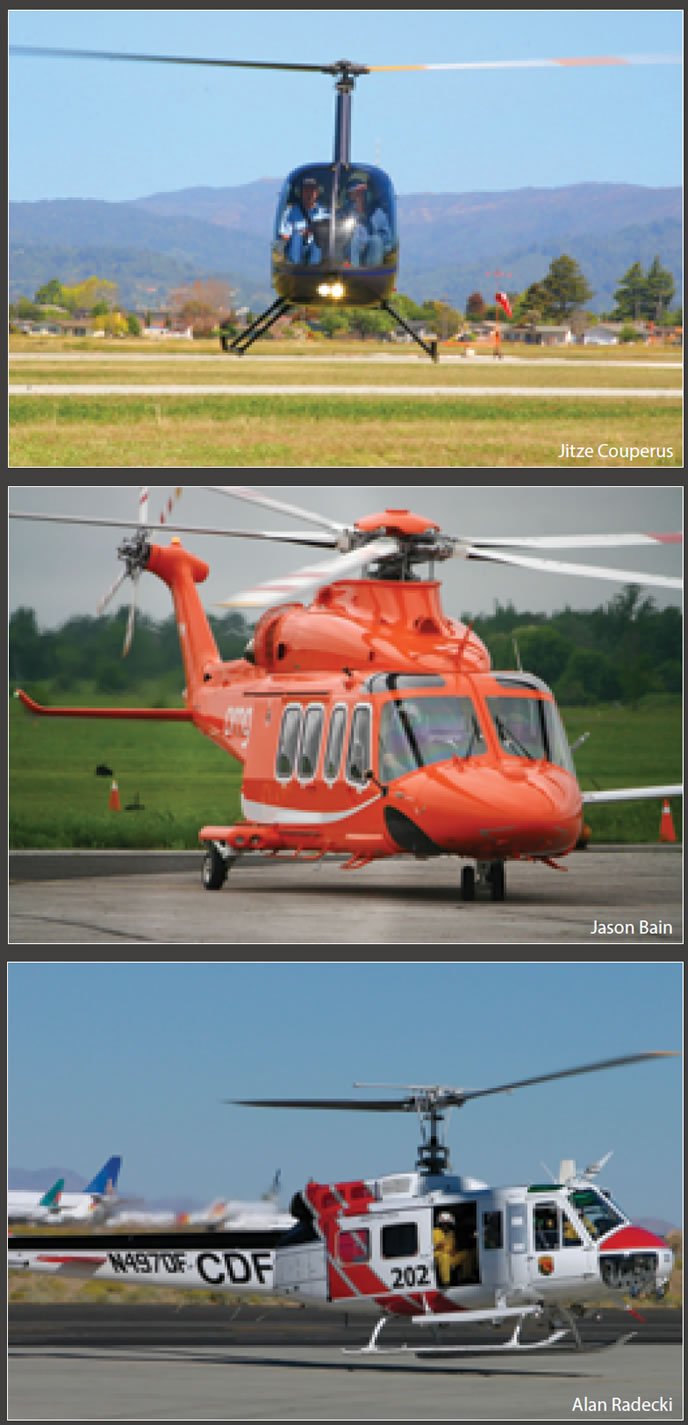


Rotor Wash

Dealing with prop wash or jet blast is relatively straightforward: It is directed behind the aircraft. Wingtip vortices are a bit more complicated, but still they are easy enough to visualize. Helicopter rotorwash can almost be seen as a hybrid blend of the two. A recent accident at a Colorado airport implicated the rotor wash from a Blackhawk helicopter in the pattern with a Cirrus. It did not end well for the Cirrus, which dragged a wing tip and cartwheeled while in the landing flare. The drift of rotor wash from the recently departed Blackhawk is suspected as a contributing factor.


Gemini Sparkle

Key Takeaways:

  • Helicopter rotorwash is a complex and potentially dangerous form of wake turbulence, implicated in accidents involving smaller aircraft, such as a recent incident where a Cirrus cartwheeled due to a Blackhawk's wash.
  • Unlike fixed-wing aircraft turbulence, helicopter rotorwash is difficult to visualize, and its movement and drift are more complicated, especially when a helicopter shifts from hover to taxi.
  • The Aeronautical Information Manual (AIM) warns pilots of small aircraft to use caution behind or near helicopters, specifically advising them to avoid operating within three rotor diameters of any helicopter in a slow hover taxi or stationary hover.
See a mistake? Contact us.

Dealing with prop wash or jet blast is relatively straightforward: It is directed behind the aircraft. Wingtip vortices are a bit more complicated, but still they are easy enough to visualize. Helicopter rotorwash can almost be seen as a hybrid blend of the two. A recent accident at a Colorado airport implicated the rotor wash from a Blackhawk helicopter in the pattern with a Cirrus. It did not end well for the Cirrus, which dragged a wing tip and cartwheeled while in the landing flare. The drift of rotor wash from the recently departed Blackhawk is suspected as a contributing factor.

According to the Aeronautical Information Manual (AIM), “In forward flight, departing or landing helicopters produce a pair of strong, high-speed trailing vortices similar to wing tip vortices of larger fixed-wing aircraft. Pilots of small aircraft should use caution when operating behind or crossing behind landing and departing helicopters.”

The difference is that helicopter turbulence is a lot more complicated to visualize. When a helicopter shifts from hover to taxi, what happens to the vortices? How do they move and drift? Section 7 of the AIM offers guidelines for dealing with rotor wash: “Pilots of small aircraft should avoid operating within three rotor diameters of any helicopter in a slow hover taxi or stationary hover.” In other words, keep your distance.

Ready to Sell Your Aircraft?

List your airplane on AircraftForSale.com and reach qualified buyers.

List Your Aircraft
AircraftForSale Logo | FLYING Logo
Pilot in aircraft
Sign-up for newsletters & special offers!

Get the latest stories & special offers delivered directly to your inbox.

SUBSCRIBE