













The Non-Type-Rating-Rating Alternative

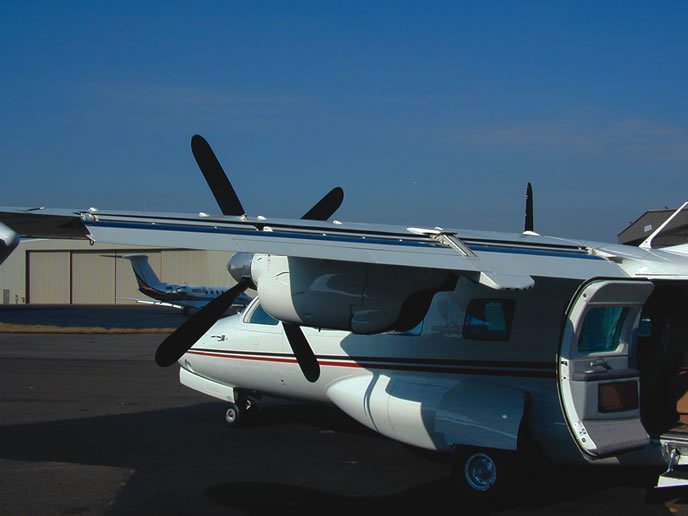
Consider what it takes for the FAA to deem one aircraft type so, well, finicky, for lack of a better word, that it warrants its own special federal aviation regulation setting out specific training requirements for its pilots. Part of the answer is reflected in the image above, of an MU-2s upper wing surface. Note the multiple-slotted Fowler flap. One can just make out the spoiler used for roll control.


Gemini Sparkle

Key Takeaways:

  • The FAA implements Special Federal Aviation Regulations (SFARs) for specific aircraft, such as the Mitsubishi MU-2 and Robinson R-22/R-44 helicopters, to mandate specialized pilot training.
  • These SFARs are issued not because of inherent aircraft design flaws—as the aircraft met certification standards—but due to inconsistencies in flight training and pilot knowledge that led to safety issues.
  • For the MU-2, SFAR 108 was established as a compromise, recognizing the aircraft's unforgiving nature with mistakes in single-engine and low-speed handling, which previous training failed to consistently address.
  • The MU-2 pilot and operator community collaborated with the FAA to develop SFAR 108, aiming to enhance pilot preparedness and improve the aircraft's safety record.
See a mistake? Contact us.

Consider what it takes for the FAA to deem one aircraft type so, well, finicky, for lack of a better word, that it warrants its own special federal aviation regulation setting out specific training requirements for its pilots. Part of the answer is reflected in the image above, of an MU-2’s upper wing surface. Note the multiple-slotted Fowler flap. One can just make out the spoiler used for roll control.

From what we can find, the first FAA-certificated aircraft to get its very own SFAR mandating specific training were Robinson’s R-22/R-44 piston helicopters. The result, SFAR 73, specified training that includes enhanced autorotation procedures, managing engine rotor rpm without the governor, low rotor rpm recognition and recovery, the effects of low-G maneuvers and proper recovery procedures.

Both the helicopters and Mitsubishi’s MU-2 meet the respective FAR Part 27 and Part 23 standards and their flying qualities also were found to comply. But inconsistencies in flight training and aircraft knowledge contributed to the problems pilots suffered in both the helicopters and the MU-2s.

Prior to developing SFAR 108, the FAA again reviewed its certification and its flying traits. Again, the agency found the aircraft compliant. But in a world where some level of reality contributes to most perceptions, the MU-2 retained its reputation. The primary culprit: It can be unforgiving of mistakes in single-engine and low-speed handling.

The agency convened a Flight Standardization Board (FSB) review that ultimately concluded MU-2 training—not aircraft problems—failed to consistently prepare pilots for the challenges the plane can hold if not flown “by the book.” Critics wanted the MU-2 subjected to a type rating process; the FAA correctly countered that it didn’t meet the definitions of aircraft for which pilots must earn a type rating. The SFAR was the compromise.

The MU-2 pilot and operator community, working closely with the FAA, turned the tide in favor of creating SFAR 108, according to Pat Cannon, head of Mitsubishi Heavy Industries America’s MU-2 support operation.

Ready to Sell Your Aircraft?

List your airplane on AircraftForSale.com and reach qualified buyers.

List Your Aircraft
AircraftForSale Logo | FLYING Logo
Pilot in aircraft
Sign-up for newsletters & special offers!

Get the latest stories & special offers delivered directly to your inbox.

SUBSCRIBE