











Youve just made the perfect trip, capping it off with a smooth approach and touchdown. As your passengers congratulate you on your achievement, you relax back pressure on the yoke and firmly stomp on the brakes. In response, the nose dips and the airplane wants to dart off to the side. You relax pressure on the brakes, but youve missed the midfield turnoff and must roll to the next taxiway before you can turn back toward the ramp. Is that how you want your routine flights to end? Youve managed to smoothly navigate hundreds of miles, but are your ground-handling skills on the same level as your piloting? Do you understand what just happened? GIMME A BRAKE 288
How To Stop
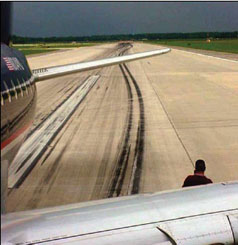
Landing is only part of the story; you still have to stop. How you use your brakes can mean the difference between book performance and a trip through the weeds.

Key Takeaways:
- Many pilots exhibit poor ground-handling and braking habits, often using excessive power while taxiing and compensating with frequent or prolonged brake application, which is inefficient and causes undue wear.
- Effective brake management begins with a thorough pre-flight inspection of the brake system and involves applying steady, firm pressure (not pumping, except on slippery surfaces) after reducing power.
- The article advocates for minimizing brake use by employing good taxi techniques, proper power management, and on-speed approaches to reduce the overall reliance on aggressive braking.
- For maximum braking scenarios, pilots should combine minimum power, firm and steady pedal pressure, and utilize elevator control to shift weight onto the main wheels for optimal stopping performance.
Key takeaways sponsored by Aviator Pro | Start Your Training ->
See a mistake? Contact us.

