













Crossing Half The Country In One Flight

In 1984, I sold the 1975 Cessna 172 I had operated for nine years and acquired a 1978 Mooney 201. I immediately put the airplane to work on a multi-stop trip around the country, quickly discovering how efficient it was. On the last leg of that trip, from St. Petersburg, Fla. (KSPG) to Mansfield, Mass. (1B9), I flew the 1029 nm nonstop in 6.7 hours using 52.4 gallons of fuel. That’s an average of 154…

Gemini Sparkle

Key Takeaways:

  • The author acquired a Mooney 201 in 1984, impressed by its efficiency for long, nonstop flights often exceeding six hours and 1000 nm.
  • For several years, these flights were routinely conducted at high altitudes (10,000-11,500+ feet) without supplemental oxygen.
  • After a particularly long flight at 12,000-12,500 feet resulted in a severe headache, the author realized they had exceeded physiological limits and increased risk.
  • This experience led the author to limit future long flights to under six hours or below 11,000 feet unless using supplemental oxygen, which they later acquired.
See a mistake? Contact us.

In 1984, I sold the 1975 Cessna 172 I had operated for nine years and acquired a 1978 Mooney 201. I immediately put the airplane to work on a multi-stop trip around the country, quickly discovering how efficient it was. On the last leg of that trip, from St. Petersburg, Fla. (KSPG) to Mansfield, Mass. (1B9), I flew the 1029 nm nonstop in 6.7 hours using 52.4 gallons of fuel. That’s an average of 154 knots and 7.8 gallons per hour (or 19.6 nm per gallon).

As I recall (I wish my short-term memory was as good), I flew that trip IFR at 11,000 feet, even though the weather was good VMC, and my logbook says “slight tailwind.” I didn’t have any supplemental oxygen, and I don’t remember any adverse effects from that first-ever flight I made that was over six hours long.


Over the next three years, I made 11 additional nonstop flights of six hours or more. Five of these exceeded 1000 nm. I never landed with less than nine gallons remaining, which was more than an hour of cruise endurance. It was on the last of these trips that I recognized there were limits, and insidious risks, to such long flights at high altitude.

In July 1987, I flew nonstop from Fort Worth, Meacham Field (KFTW) to San Diego, Calif. (KSAN) The 1001-nm flight took 6.8 hours. Most of my previous long flights were flown at between 10,000 and 11,500 feet, but I remember this flight started out at 12,500 feet and I eventually picked up an IFR clearance and settled on 12,000 feet. I had no supplemental oxygen. I flew a little higher to ensure a nonstop trip. It was in smooth air under VMC conditions and it was routine—until about an hour after I landed. I then had a splitting headache that lasted for hours, despite a mega dose of aspirin.

It finally dawned on me that I had exceeded my physiological limits and I later realized I had greatly increased the risk on that particular flight. I did not make any more flights exceeding six hours and generally limited my cruise altitude to 11,000 feet or lower, unless using oxygen. I still conducted a number of flights of about 5-6 hours that exceeded 1000 nm, usually between Oklahoma City and Washington, D.C.

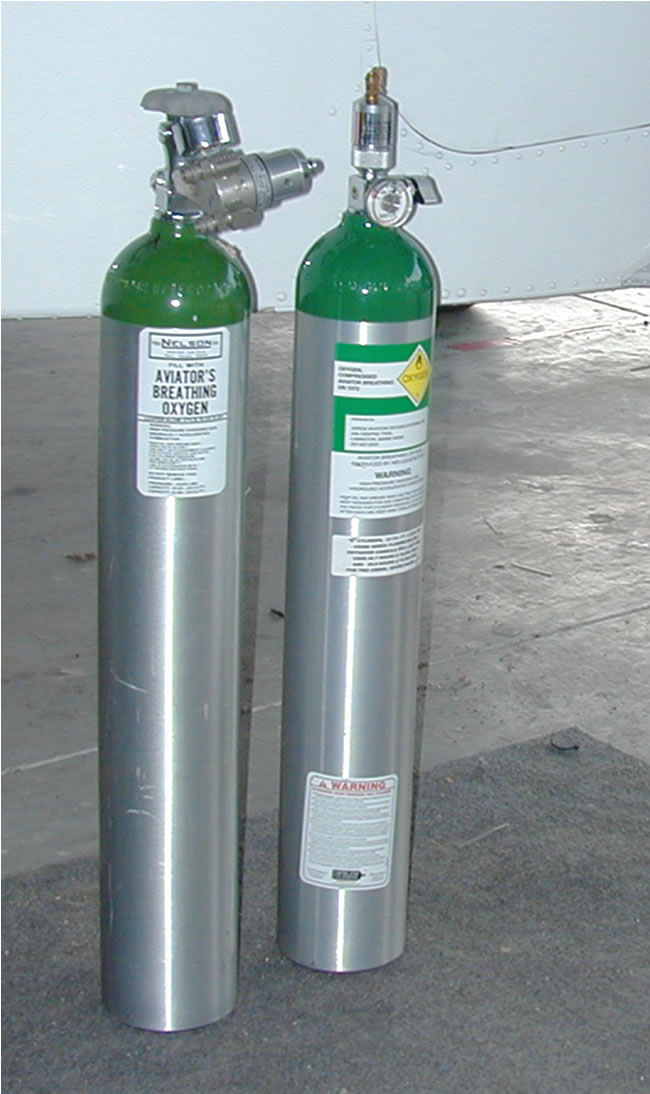
Later, after my base of operations shifted to New Mexico and Washington State, I acquired a portable oxygen system.

Ready to Sell Your Aircraft?

List your airplane on AircraftForSale.com and reach qualified buyers.

List Your Aircraft
AircraftForSale Logo | FLYING Logo
Pilot in aircraft
Sign-up for newsletters & special offers!

Get the latest stories & special offers delivered directly to your inbox.

SUBSCRIBE