











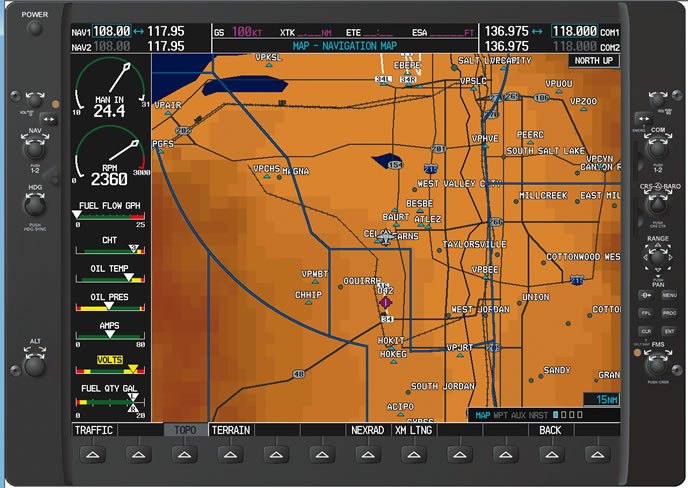


Reviewing the terminal procedure charts, checking the obstacle clearance procedures and picking your preferred departure runway based on the terrain that gives you the greatest number of options if anything goes wrong is more than most non-commercial pilots do for instrument departures. It’s just so much easier to accept what controllers give us without question; they wouldn’t give us a clearance that could get us in trouble, would they?

And even if we do the research to pick the easiest return or the lowest terrain, many of us are loathe to wait a few minutes for an airplane to land on a crossing runway, or simply taxi to the other end of the field, even if it means we get the departure that’s optimal for us. We often don’t plan for failure—or even consider it. After enough single-pilot IFR flights going off without a hitch, it’s automatic to plan taxiing to the nearest runway and departing in the on-course direction.

