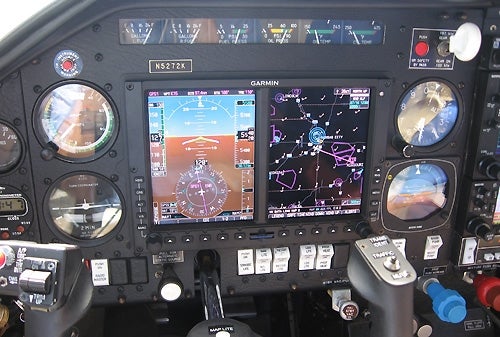
There is no inherent advantage to training in either glass cockpit or analog (round dial) aircraft; the best choice depends on individual goals, budget, intended use (e.g., fun vs. utility), and personal comfort with technology.
Students should prioritize training in the aircraft type they plan to fly most often to build proficiency, and always seek a competent instructor experienced in that specific aircraft.
Transitioning between glass and analog instrumentation involves a learning curve, and while glass may offer some initial interpretability benefits, exposure to both types during training is generally beneficial.
Choosing an aircraft with simpler avionics for a check ride can sometimes streamline the practical test by limiting the scope of what needs to be demonstrated to meet basic FAA requirements.
If students aren’t sure whether they will end up flying an airplane with glass cockpit technology or not for training, which is better — transitioning to glass, or transitioning to analog instruments?
Marty Blaker is a CFI who, as vice president of avionics course development for King Schools, oversaw the development of its Garmin G1000 training materials. He says:
CREATE A FREE ACCOUNT
Sign up to keep reading
Create a free account to continue. Already a member? Sign in below.