












When a Student Pilot Accidentally Clips the Bravo

Try not to think of it as trouble but rather a learning opportunity.

A reader asks how to handle an incident where a student pilot accidentally passed through the edge of Class B airspace. [Credit: FLYING Archives]
Gemini Sparkle

Key Takeaways:

  • An instructor's "trouble" following a student pilot's Class B airspace infraction depends on factors such as the nature of the ATC conversation and documented records of airspace training.
  • Filing a NASA Aviation Safety Reporting System (ASRS) report is encouraged, as it demonstrates recognition of the mistake and a desire for safety, potentially mitigating consequences.
  • Such incidents should be viewed as valuable learning opportunities to reinforce airspace awareness through additional student education and CFI meetings, rather than just a disciplinary issue.
See a mistake? Contact us.

Question: I have a student pilot who has just been released for solo flight. I am teaching in an area that has a Class B airport, and I make it a point to show them the shelves of the Bravo on the sectional and point out landmarks on the ground to help identify when there is an altitude change. I just learned that one of the students I fly with accidentally clipped the Bravo—the tower called the flight school about it. How much trouble am I in?

Answer: The answer is, it depends. Was the conversation with the tower educational or adversarial? Do you have a record (logbook endorsement or notes in the training record) of the learner being taught airspace?
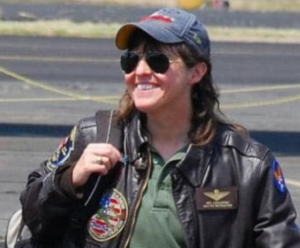

Try not to think of it as trouble but rather a learning opportunity. Was this a one-time event or is there a pattern of learners from the flight school busting the Bravo? Did the student file a report with the Aviation Safety Reporting System? This is the so-called NASA report, and  you can find the form online.

While not a get-out-of-jail-free card, it does show recognition of a mistake and an attitude of contrition—as well as a desire not to repeat the mistake. The idea behind the NASA form is to make aviation safer. There’s always the chance of a pattern of the Bravo being clipped in that area that may inspire the FAA to make changes in the airspace or add a notation to the VFR sectional warning pilots to be extra careful in that area.

What was the outcome of the event? Did the student pilot get additional education? Was there a meeting among the CFIs to remind them to remind their clients about where the Bravo is and the proper and legal method for entry into that airspace?

When mistakes are made, turn them into teachable moments. Chances are good that this experience will become “that story” the student tells down the line when they become an instructor.


Ask us anything you’ve ever wanted to know about aviation. Our experts in general aviation, flight training, aircraft, avionics, and more may attempt to answer in a future article. Email your questions here.

Meg Godlewski

Meg Godlewski has been an aviation journalist for more than 24 years and a CFI for more than 20 years. If she is not flying or teaching aviation, she is writing about it. Meg is a founding member of the Pilot Proficiency Center at EAA AirVenture and excels at the application of simulation technology to flatten the learning curve. Follow Meg on Twitter @2Lewski.

Ready to Sell Your Aircraft?

List your airplane on AircraftForSale.com and reach qualified buyers.

List Your Aircraft
AircraftForSale Logo | FLYING Logo
Pilot in aircraft
Sign-up for newsletters & special offers!

Get the latest stories & special offers delivered directly to your inbox.

SUBSCRIBE


