Could Tiny Drones Replace Honeybees?

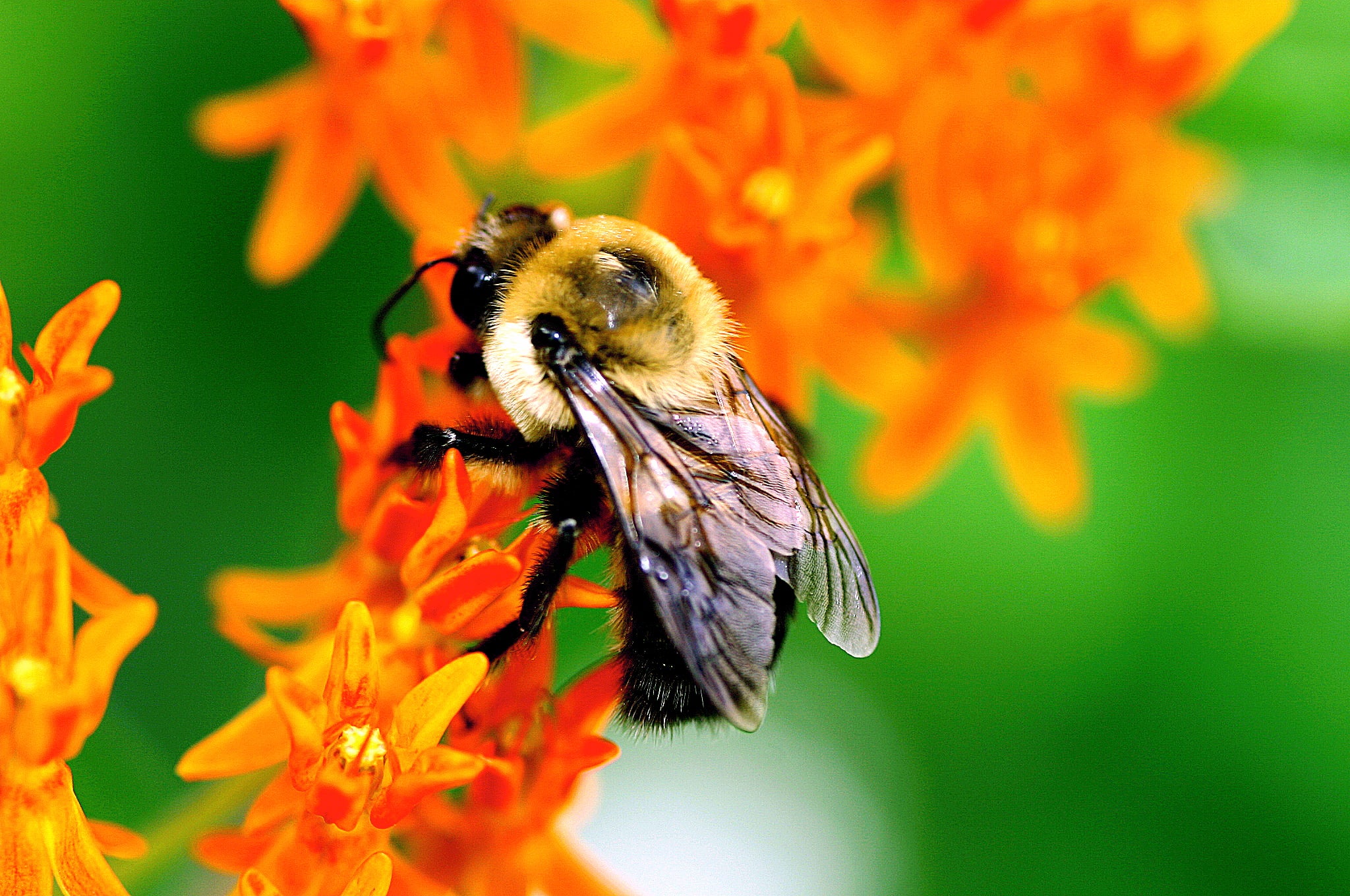
A group of Japanese scientists is working on a drone solution for the declining honeybee problem. Wikimedia Commons/Kabir Bakie
Gemini Sparkle

Key Takeaways:

  • Honeybee populations in North America and Europe are declining significantly, with approximately 45% of colonies dying annually.
  • Japanese scientists are exploring the use of tiny drones to address pollination deficits caused by the bee decline.
  • These hummingbird-sized drones are designed to mimic honeybee flight and pollination, using horsehair and gel to collect and transfer pollen.
  • A major challenge is developing autonomous control for the drones, currently requiring human operation, and they cannot produce honey.
See a mistake? Contact us.

The ever-dwindling population of honeybees in North America and Europe is not a new problem. With a few rare blips on the survival tracking charts, nearly 45 percent of honeybee colonies still die annually. A group of Japanese scientists, however, believe a tiny drone could become a solution to the pollination deficit caused by the decline in the bee populations, if they can control the drones, of course.

While the jury’s still out on what’s killing the hives — mites, warmer temperatures, insecticides or some combination of all of these things — the need for solutions to the chaos caused by the lack of honeybees to carry out their pollination tasks grows more urgent each year, researchers say. Most of the food grown on Earth depends upon honeybees for pollination.

The scientists in Japan believe a tiny off-the-shelf drone about the size of a hummingbird could be programmed to mimic both the flight and landing characteristics of a honeybee. The bottom of the quadcopter would be modified with bits of horsehair paintbrush covered with a gooey gel designed to capture pollen from one plant before the machine heads off to visit another.

There is one small problem scientists have yet to work out: controlling the drone. Right now, they still demand a human operator, making them somewhat impractical. Scientists hope GPS-based route programming will allow the drones not only to make the leap from flower to flower, but also do it without ruining the plants in the process. One other drawback, of course, is that drones will never produce honey.

Rob Mark

Rob Mark is an award-winning journalist, business jet pilot, flight instructor, and blogger.

Ready to Sell Your Aircraft?

List your airplane on AircraftForSale.com and reach qualified buyers.

List Your Aircraft
AircraftForSale Logo | FLYING Logo
Pilot in aircraft
Sign-up for newsletters & special offers!

Get the latest stories & special offers delivered directly to your inbox.

SUBSCRIBE