Register

Why Altimeters Are Crucial for Safe Flying

Midair collisions and busted check rides can result from inaccurate altitude.

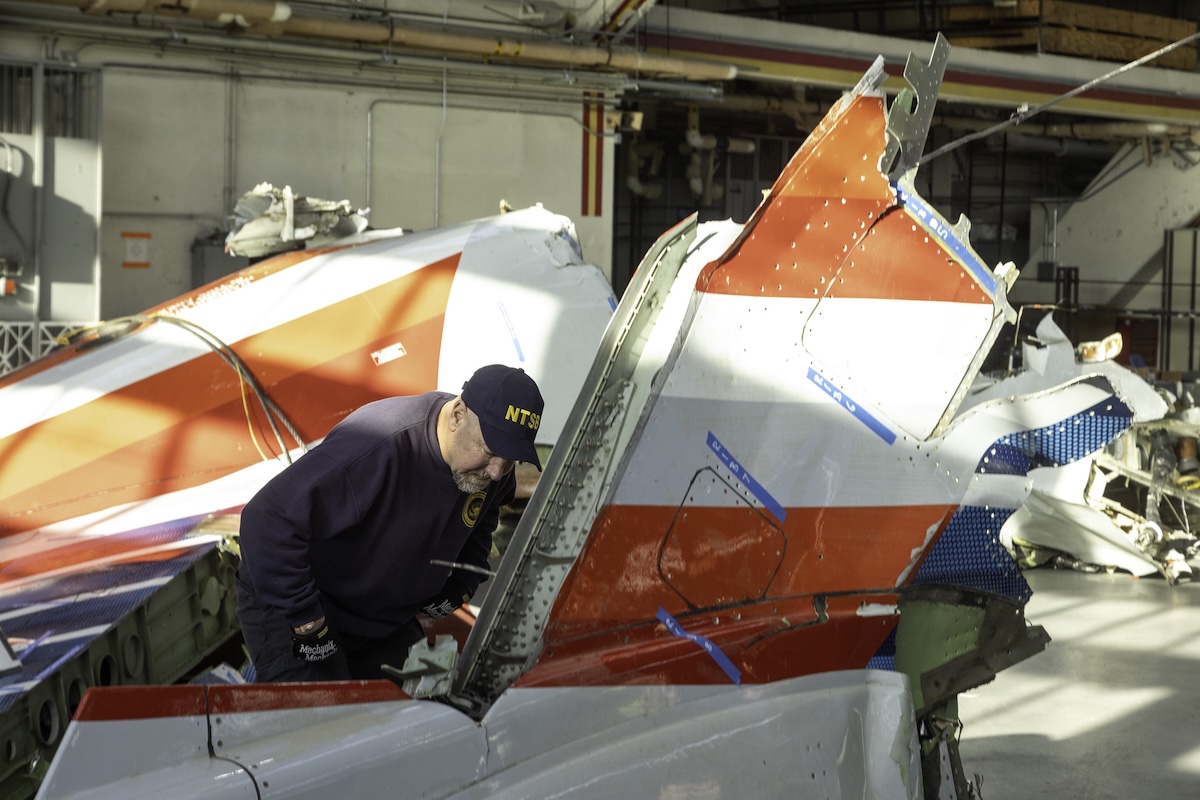
NTSB investigators inspect wreckage of CRJ-700
NTSB investigators inspect wreckage of CRJ-700. [Credit: NTSB]
Gemini Sparkle

Key Takeaways:

  • Maintaining precise altitude is vital for flight safety, as even minor deviations can lead to airspace violations, failed checkrides, or dangerous mid-air collisions, particularly in low visibility conditions.
  • Altimeter accuracy is critical; instruments deemed unreliable (e.g., off by over 75 feet) pose significant risks and have been linked to fatal accidents.
  • Pilots must consistently set, monitor, and cross-check altimeter readings using all available resources (weather, field elevation, visual cues, ATC) and ensure timely system inspections are performed.
See a mistake? Contact us.

“Fix your altitude.”

How many times have you heard this during an instructional flight? Let’s say you were told to fly at an indicated altitude of 1,900 msl and because you got a little distracted, you’re now at 2,100. 

Meg Godlewski

Meg Godlewski has been an aviation journalist for more than 24 years and a CFI for more than 20 years. If she is not flying or teaching aviation, she is writing about it. Meg is a founding member of the Pilot Proficiency Center at EAA AirVenture and excels at the application of simulation technology to flatten the learning curve. Follow Meg on Twitter @2Lewski.

Ready to Sell Your Aircraft?

List your airplane on AircraftForSale.com and reach qualified buyers.

List Your Aircraft
AircraftForSale Logo | FLYING Logo
Pilot in aircraft
Sign-up for newsletters & special offers!

Get the latest stories & special offers delivered directly to your inbox.

SUBSCRIBE