














Register

How Do You Decode Standard Terminal Arrival Routes?

It’s critical for pilots to know altitude restrictions to avoid a bad situation on approach.

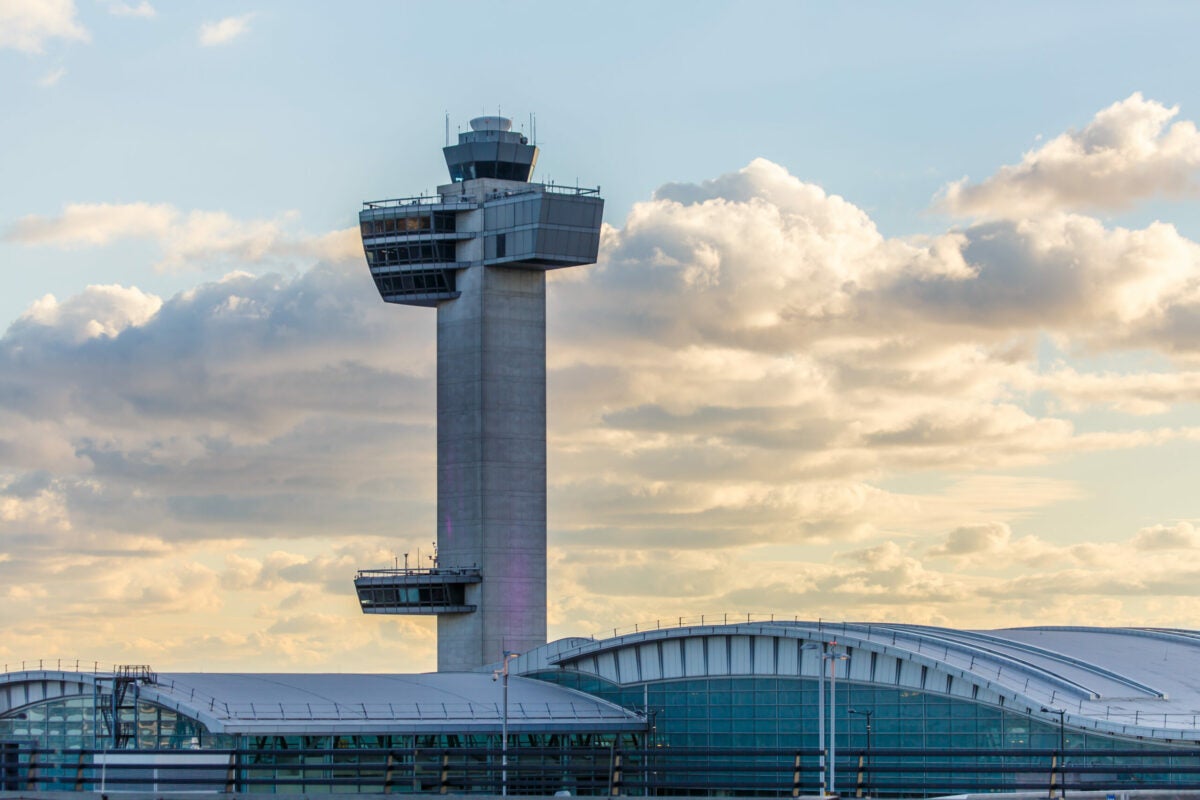
JFK International Airport [Shutterstock]
Gemini Sparkle

Key Takeaways:

  • Altitudes displayed for IFR plate segments, such as "FL 180," denote the Minimum En Route Altitude (MEA) and should be flown if no specific ATC instruction is given.
  • Notations like "Expect FL 230" serve as a planning tool for pilots, indicating an anticipated clearance to that altitude and the need to prepare for descent or approach.
  • While "Expect" altitudes aid in preparation, pilots must always adhere to Air Traffic Control (ATC) instructions; in their absence, the MEA applies.
See a mistake? Contact us.

Question: I’m confused about the altitudes shown on some IFR plates, such as the STAR [standard terminal arrival route] for the LENDY Eight Arrival [to John F. Kennedy International Airport/KJFK in New York].

In this example (above), I thought the altitudes shown for segments (like FL 180 between LVZ and JENNO) indicated the altitude you should fly—so 18,000 feet in this case. But then next to JENNO intersection it says “Expect FL 230.” So which is it? Should the segment be flown at 18,000 feet or 23,000 feet?


Meg Godlewski

Meg Godlewski has been an aviation journalist for more than 24 years and a CFI for more than 20 years. If she is not flying or teaching aviation, she is writing about it. Meg is a founding member of the Pilot Proficiency Center at EAA AirVenture and excels at the application of simulation technology to flatten the learning curve. Follow Meg on Twitter @2Lewski.

Ready to Sell Your Aircraft?

List your airplane on AircraftForSale.com and reach qualified buyers.

List Your Aircraft
AircraftForSale Logo | FLYING Logo
Pilot in aircraft
Sign-up for newsletters & special offers!

Get the latest stories & special offers delivered directly to your inbox.

SUBSCRIBE
