













Register

Group Focuses Attention on Angle of Attack Indicators

Gemini Sparkle

Key Takeaways:

  • A GAJSC report identified loss of control (LOC) as the cause of over 40% of fatal general aviation accidents between 2001-2010, especially during approach and landing.
  • While terrain warning GPS technology has successfully reduced controlled flight into terrain (CFIT) accidents, the report strongly advocates for general aviation to fully adopt angle of attack (AOA) indicators.
  • AOA indicators are crucial because stalls are directly caused by excessive angle of attack, which varies independently of aircraft attitude and can be difficult for pilots to accurately gauge without instrumentation, making an AOA device a potential lifesaver.
See a mistake? Contact us.

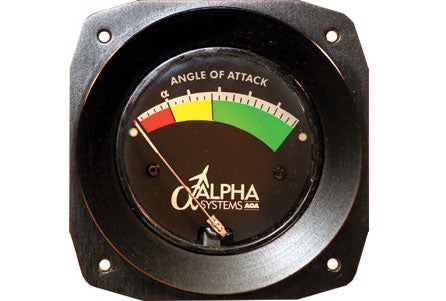
A group named the General Aviation Joint Steering Committee (GAJSC), co-chaired by the FAA and AOPA, released a detailed 148-page report in September that addresses loss of control (LOC) accidents in the approach and landing phase. LOC was responsible for 40.2 percent of fatal GA accidents in the time frame from 2001 through 2010.

The good news is that our technology is working. According to the report, controlled flight into terrain accidents diminished during the period, and terrain warning GPS technology gets the credit. One piece of technology the report would like GA to “embrace to the fullest extent” is the angle of attack indicator. Without an AOA device, pilots have only their airspeed indicator, attitude instruments and the seat of their pants to gauge actual angle of attack.


Mark Phelps

Mark Phelps is a senior editor at AVweb. He is an instrument rated private pilot and former owner of a Grumman American AA1B and a V-tail Bonanza.

Ready to Sell Your Aircraft?

List your airplane on AircraftForSale.com and reach qualified buyers.

List Your Aircraft
AircraftForSale Logo | FLYING Logo
Pilot in aircraft
Sign-up for newsletters & special offers!

Get the latest stories & special offers delivered directly to your inbox.

SUBSCRIBE