













Register

Flying Tips for the Occasional Winter-Weather Pilot

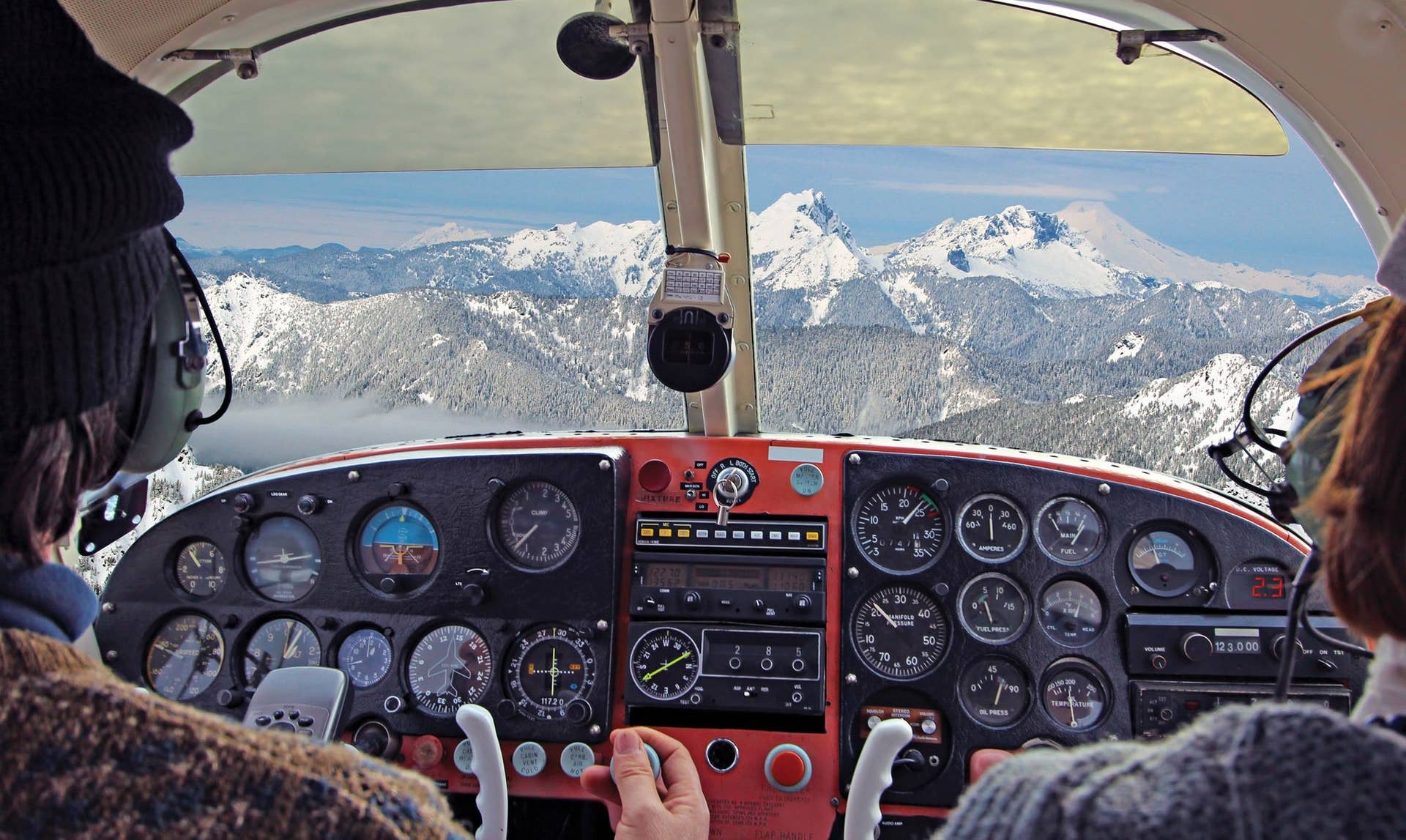
Those who fly in the beautiful snow-covered North know that the winter brings spectacular views and welcomed gains in performance.

[Credit: Adobe Stock]
Gemini Sparkle

Key Takeaways:

  • Winter flying offers performance benefits and scenic views but demands meticulous preparation for ground operations, including extensive preheating, proper de-icing, and budgeting extra time for potential delays.
  • Key safety measures for winter operations include vigilant carbon monoxide monitoring, careful engine management (using winterization kits and appropriate oil), and removing wheel pants to avoid ice and slush issues.
  • Pilots must prioritize comprehensive weather briefings, particularly regarding icing, and incorporate winter conditions as a significant risk factor in flight planning, ensuring both aircraft and occupants are adequately prepared for cold environments.
See a mistake? Contact us.

The airplane’s engine, propeller, and wings, which have struggled all summer against the ravages of high temperatures and density altitude, are now in their happy place. Push the throttle forward for takeoff, and you might as well be in an F-15 Eagle roaring down the runway.

OK, maybe that is a bit much, but takeoff and climb performance in the colder climates is something to behold. And then once airborne, the snow-covered vistas below are breathtaking. Even a light dusting of snow seems to magically cover up all the imperfections, leaving the earth looking pristine, and the houses and people right out of a Currier and Ives print. OK, maybe that is a bit much, but takeoff and climb performance in the colder climates is something to behold. And then once airborne, the snow-covered vistas below are breathtaking. Even a light dusting of snow seems to magically cover up all the imperfections, leaving the earth looking pristine, and the houses and people right out of a Currier and Ives print. 


Frank Ayers

Frank Ayers is a Professor of Aeronautical Science at Embry Riddle Aeronautical University and a retired US Air Force pilot. He is an experienced B 52 instructor pilot, ATP, and CFI, and he is the proud owner and pilot of a 1976 Cessna 177B. Frank has been an active pilot for over 50 years and has flown well over 6,300 hours in a wide variety of aircraft, large and small. He combines his love for aviation history and his knowledge of the techniques and procedures that professional pilots employ, to share with our readers on a monthly basis. Frank and his wife Debbie travel the length and breadth of the country in their beautiful Cessna Cardinal and love to share the joy of their aviation adventures with everyone they meet.

Ready to Sell Your Aircraft?

List your airplane on AircraftForSale.com and reach qualified buyers.

List Your Aircraft
AircraftForSale Logo | FLYING Logo
Pilot in aircraft
Sign-up for newsletters & special offers!

Get the latest stories & special offers delivered directly to your inbox.

SUBSCRIBE