

Register

Mastering Descent Is an Art Form

There's much skill involved when it comes to getting down quickly and safely.

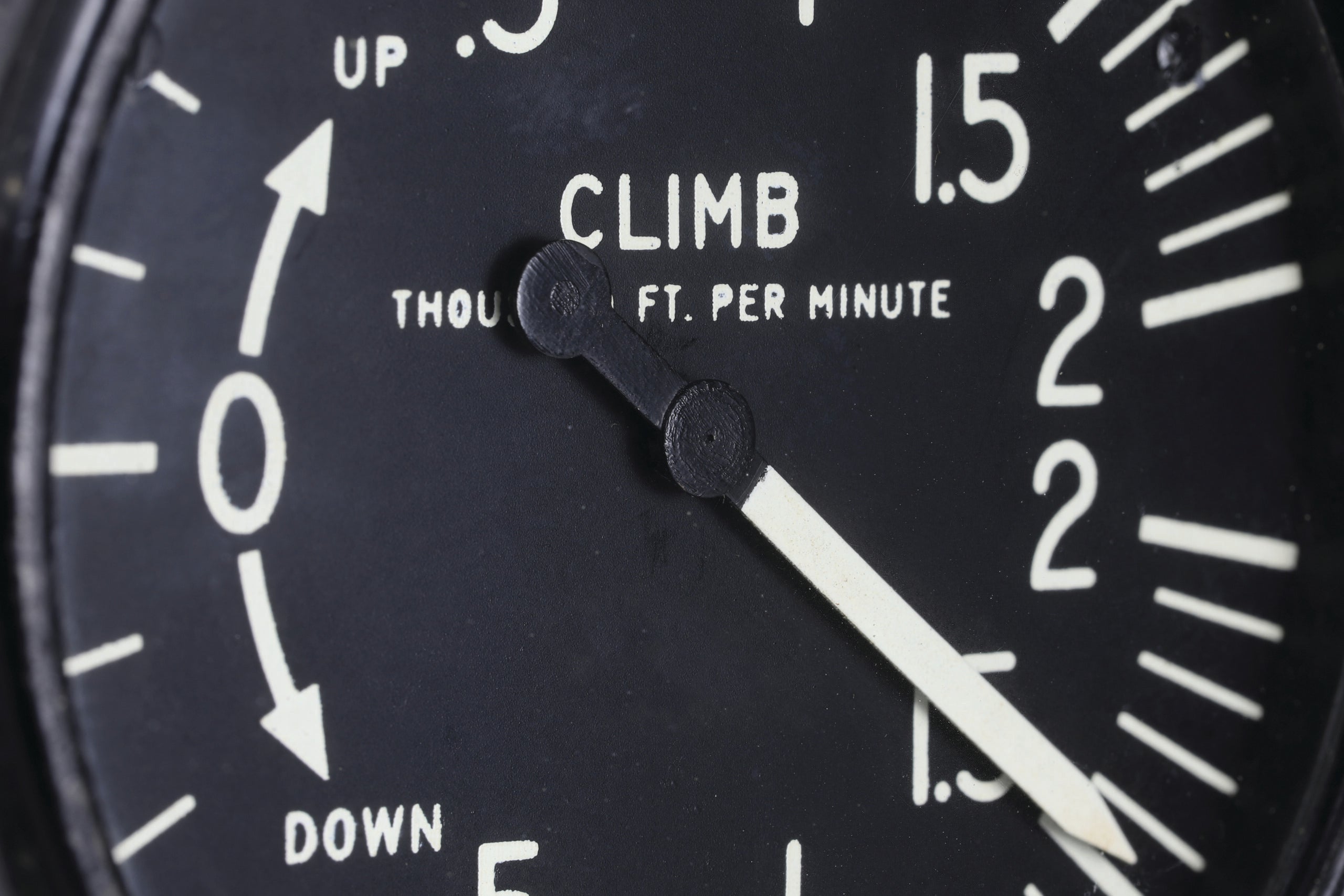
When it comes to learning powered descents, it is best to begin with a constant rate descent. [Adobe Stock]
Gemini Sparkle

Key Takeaways:

  • Pilots are taught that reducing power to idle allows for a controlled descent at best glide speed, providing ample time for emergency checklists rather than causing an immediate fall.
  • Various controlled descent maneuvers are practiced, including constant rate/airspeed descents for passenger comfort and steep spiral descents for navigating confined areas or maintaining position over a ground reference.
  • Emergency descent techniques, such as rapid descents (often using a "dirty" configuration with flaps and gear extended) and forward slips, are essential for quickly losing altitude in critical situations like cabin depressurization, fire, or when too high on final approach.
See a mistake? Contact us.

“How do we get down?” 

“Bring the power to idle, and gravity will do the rest.”

Meg Godlewski

Meg Godlewski has been an aviation journalist for more than 24 years and a CFI for more than 20 years. If she is not flying or teaching aviation, she is writing about it. Meg is a founding member of the Pilot Proficiency Center at EAA AirVenture and excels at the application of simulation technology to flatten the learning curve. Follow Meg on Twitter @2Lewski.

Ready to Sell Your Aircraft?

List your airplane on AircraftForSale.com and reach qualified buyers.

List Your Aircraft
AircraftForSale Logo | FLYING Logo
Pilot in aircraft
Sign-up for newsletters & special offers!

Get the latest stories & special offers delivered directly to your inbox.

SUBSCRIBE