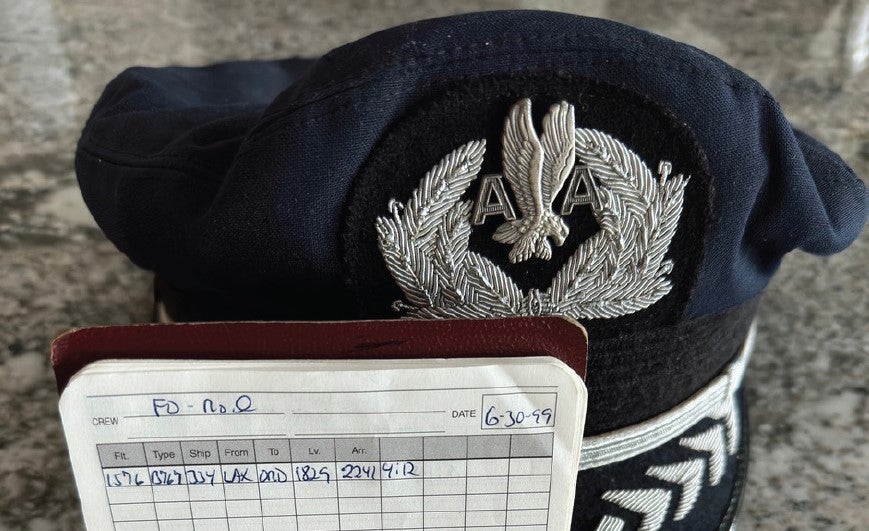
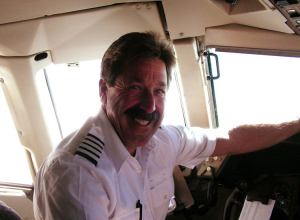
For those airline pilots that aren’t old enough to remember 9/11, please learn from our mistakes. [Courtesy: Les Abend]
Key Takeaways:
The 9/11 attacks fundamentally transformed aviation security, shifting airline crews' mindset from passive cooperation with threats to an active "protect the cockpit at all costs" approach.
This paradigm shift led to the creation of the TSA, the Federal Flight Deck Officers (FFDO) program allowing pilots to carry weapons, and significantly reinforced cockpit doors with stringent access protocols.
Beyond physical and procedural changes, passenger willingness to actively resist threats emerged, complemented by improved intelligence sharing, collectively enhancing aviation security, with the author emphasizing the ongoing need for vigilance.
About two weeks had passed since that fateful day in 2001 that none of us will ever forget. In uniform, with my wife’s hand in mine, we approached a NYPD officer standing on the corner, a couple blocks away from Ground Zero. Pedestrian barricades surrounded the area.
CREATE A FREE ACCOUNT
Sign up to keep reading
Create a free account to continue. Already a member? Sign in below.
Les Abend is a retired, 34-year veteran of American Airlines, attempting to readjust his passion for flying airplanes in the lower flight levels—without the assistance of a copilot.