













Register

Moving Up to a Jet

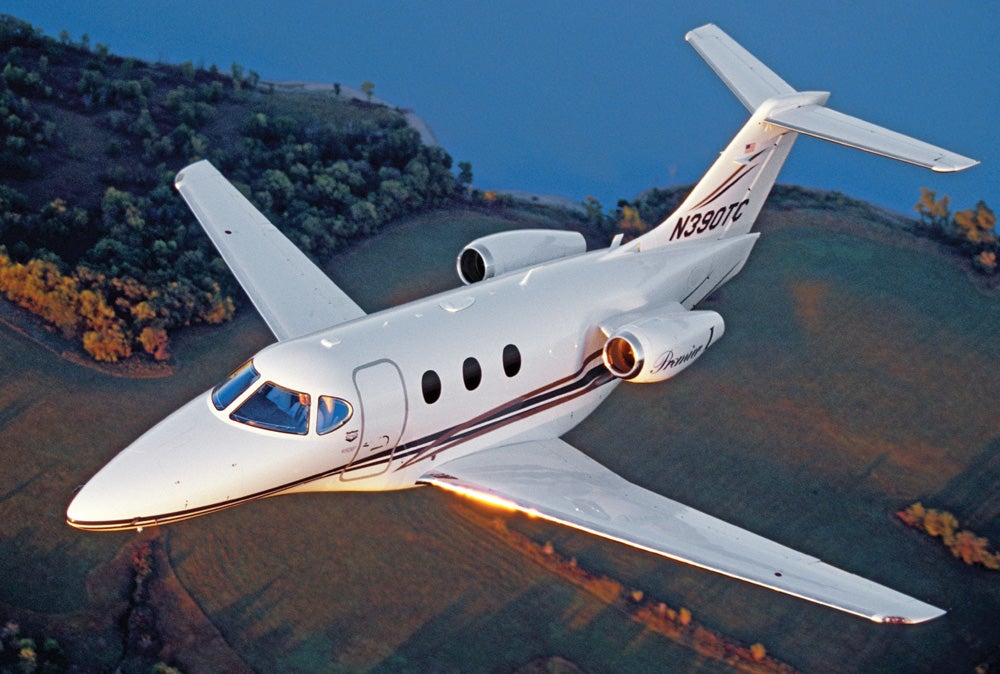
Beechcraft Premier IA Paul Bowen
Gemini Sparkle

Key Takeaways:

  • An increasing number of individuals, including owners, are flying business jets, often single-pilot, requiring propeller pilots to transition to jets.
  • Jets are fundamentally different from propeller aircraft, necessitating specific FAA type ratings due to higher safety certification standards and unique operational characteristics.
  • Key differences include significant engine response lag, complex high-altitude aerodynamics (e.g., Dutch roll, thin air effects), specialized fuel management, and demanding approach and landing procedures.
  • Successful jet piloting demands rigorous type-specific training and an exceptionally high level of precision and instrument flying skill, especially for critical phases of flight.
See a mistake? Contact us.

It’s individuals, not corporations, who dominate orders for new business jets. Many — probably most — of those jets will be flown by professional crews, but increasing numbers will be piloted by their owners at least some of the time. That means hundreds of pilots will transition from some sort of propeller-driven airplane into a jet for the first time this year.

There are several types of jets that can be flown by a single pilot instead of a crew, and that holds additional appeal for the airplane owner who is freed from the complications and expense of having to take a copilot along. The Beechcraft Premier IA, the CitationJet series, the Mustang and the Embraer Phenom 100 are just some of the jets eligible for single-pilot operation. And more are in development.


Ready to Sell Your Aircraft?

List your airplane on AircraftForSale.com and reach qualified buyers.

List Your Aircraft
AircraftForSale Logo | FLYING Logo
Pilot in aircraft
Sign-up for newsletters & special offers!

Get the latest stories & special offers delivered directly to your inbox.

SUBSCRIBE