













Register

We Fly: Garmin Autoland for the Beechcraft King Air 200

A new level of support for single-pilot ops in the twin turboprop.

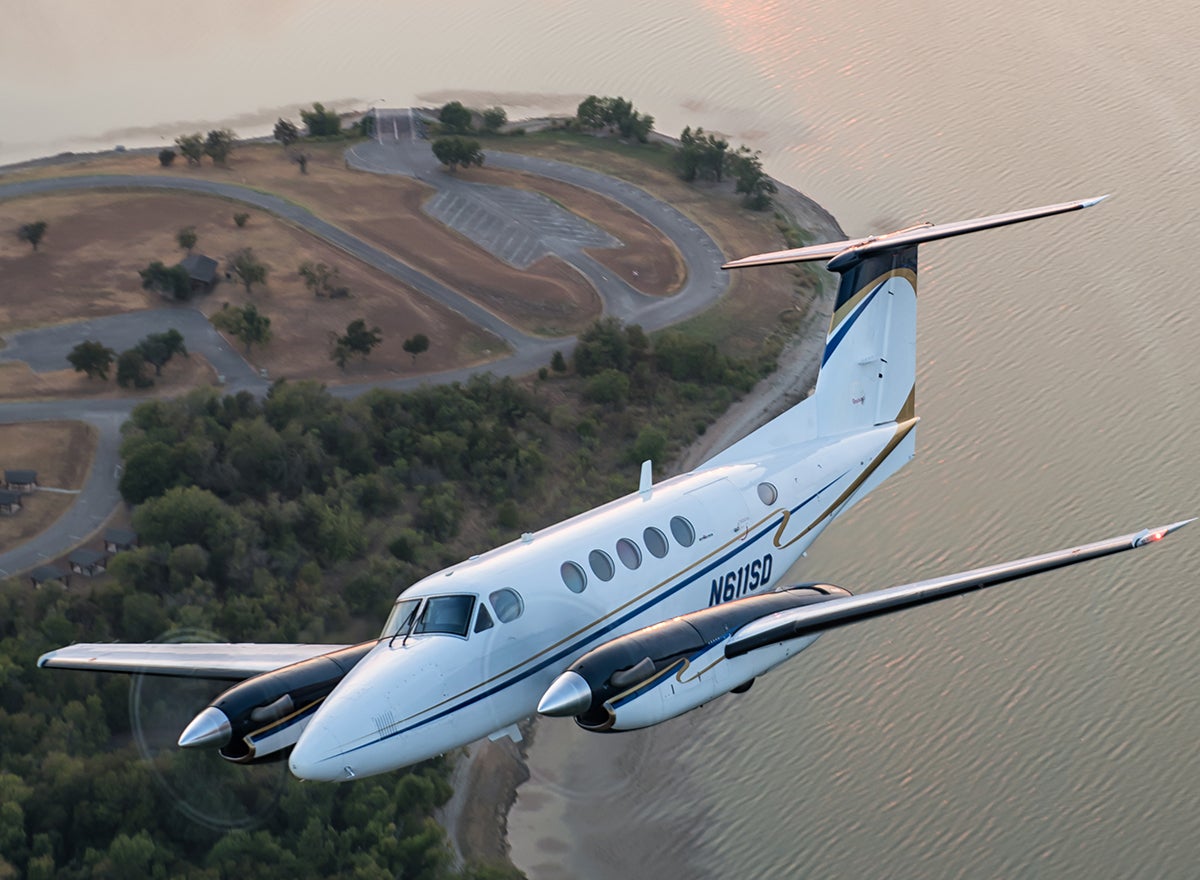
Following Autoland’s debut in the Piper M600, Garmin pursued an STC in a fleet leader, the King Air 200. [Photo: Glenn Watson]
Gemini Sparkle

Key Takeaways:

  • Garmin's Autoland system, introduced in 2019, is a significant emergency landing innovation for general aviation, leveraging precise GPS, digital autopilots, and FADEC-enabled autothrottle technology.
  • Initially deployed in aircraft like the Piper M600 and Daher TBM 940, its application is expanding, with a new Supplemental Type Certificate (STC) enabling its use in twin-engine turboprops like the Beechcraft King Air 200/300 series.
  • The system integrates Electronic Stability and Protection (ESP), Emergency Descent Management (EDM), a sophisticated autothrottle, various sensors, and a radar altimeter to execute a firm but safe autonomous landing.
See a mistake? Contact us.

When it comes to the capability of an airplane to “land itself,” we shouldn’t ask why it can now—but rather why that it didn’t come to general aviation a lot sooner.

The technology has been around since before World War II in military airplanes (see “How Can It Land Itself?” below) and from the mid-1960s in transport category jets. But if necessity is the mother of invention, then market demand is its directional guidance. When Garmin Aviation unveiled its Autoland emergency landing system in 2019, we saw the intersection of relatively inexpensive and precise GPS navigation, digital autopilots, and the FADEC-enabled turbine and turboprop powerplants capable of responding elegantly to an autothrottle.


Ready to Sell Your Aircraft?

List your airplane on AircraftForSale.com and reach qualified buyers.

List Your Aircraft
AircraftForSale Logo | FLYING Logo
Pilot in aircraft
Sign-up for newsletters & special offers!

Get the latest stories & special offers delivered directly to your inbox.

SUBSCRIBE