In 2009, Colgan Air Flight 3407 crashed in the Buffalo, New York, metropolitan area, killing all 49 passengers and crewmembers on board and one person inside the house into which the Bombardier Dash-8 Q400 crashed. The extensive post-crash investigation by the National Transportation Safety Board found that the pilots were completely at fault. The captain allowed the airplane to get slow during the ILS approach to Runway 23 at the Buffalo Niagara International Airport (KBUF). Instead of applying proper stall recovery techniques when the stick shaker deployed, the captain pulled back on the yoke, bringing the airplane into an aggravated stall. At the same time, the copilot retracted the flaps without the captain’s command, exacerbating the situation. The airplane spun straight into the ground.
ATP Certification Training Program

Key Takeaways:
- The 2009 Colgan Air Flight 3407 crash, caused by pilot error and fatigue, directly led to the 2010 Airline Safety and FAA Extension Act, significantly increasing requirements for professional pilots.
- Key changes include mandating an Airline Transport Pilot (ATP) certificate for airline pilots (requiring 1,500 flight hours) and introducing the ATP Certification Training Program (ATP-CTP).
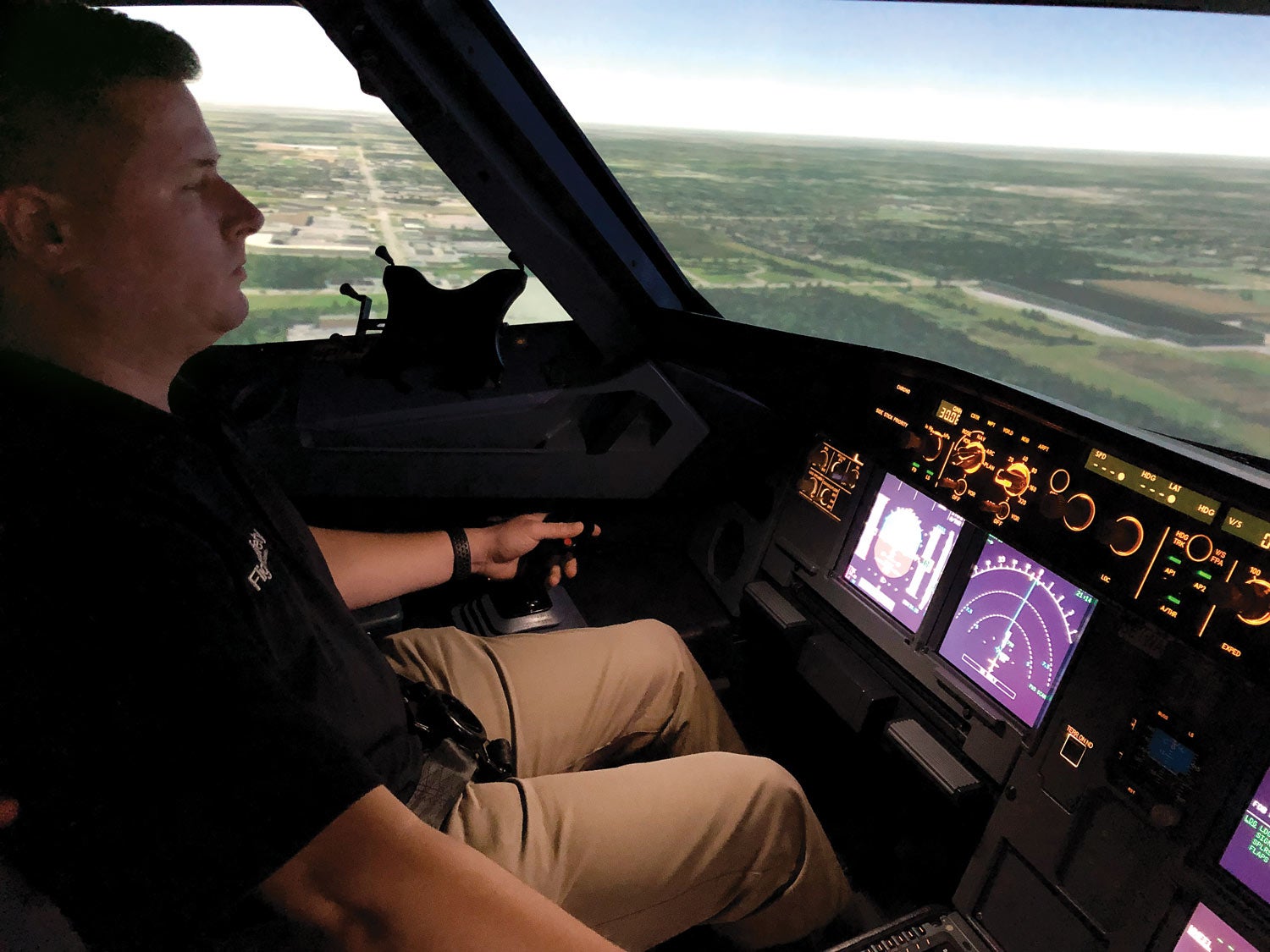
- The ATP-CTP is a costly, week-long course combining extensive ground school and advanced full-motion simulator training, specifically designed to bridge the knowledge gap for air carrier operations.
- The course emphasizes critical safety procedures such as stall prevention and maintaining a sterile cockpit, aiming to enhance pilot proficiency and prevent accidents highlighted by past incidents.
Key takeaways sponsored by Aviator Pro | Start Your Training ->
See a mistake? Contact us.