











A human brain slowly deprived of its normal oxygen supply, called hypoxia— especially if it happens to someone in command of an airplane–can create strange behavior the affected aviator may not even recognize. The FAA says the most common causes of hypoxia in pilots are: flying non-pressurized aircraft above 10,000 ft without supplemental oxygen, rapid decompression during flight, pressurization system malfunction, or oxygen system malfunction.
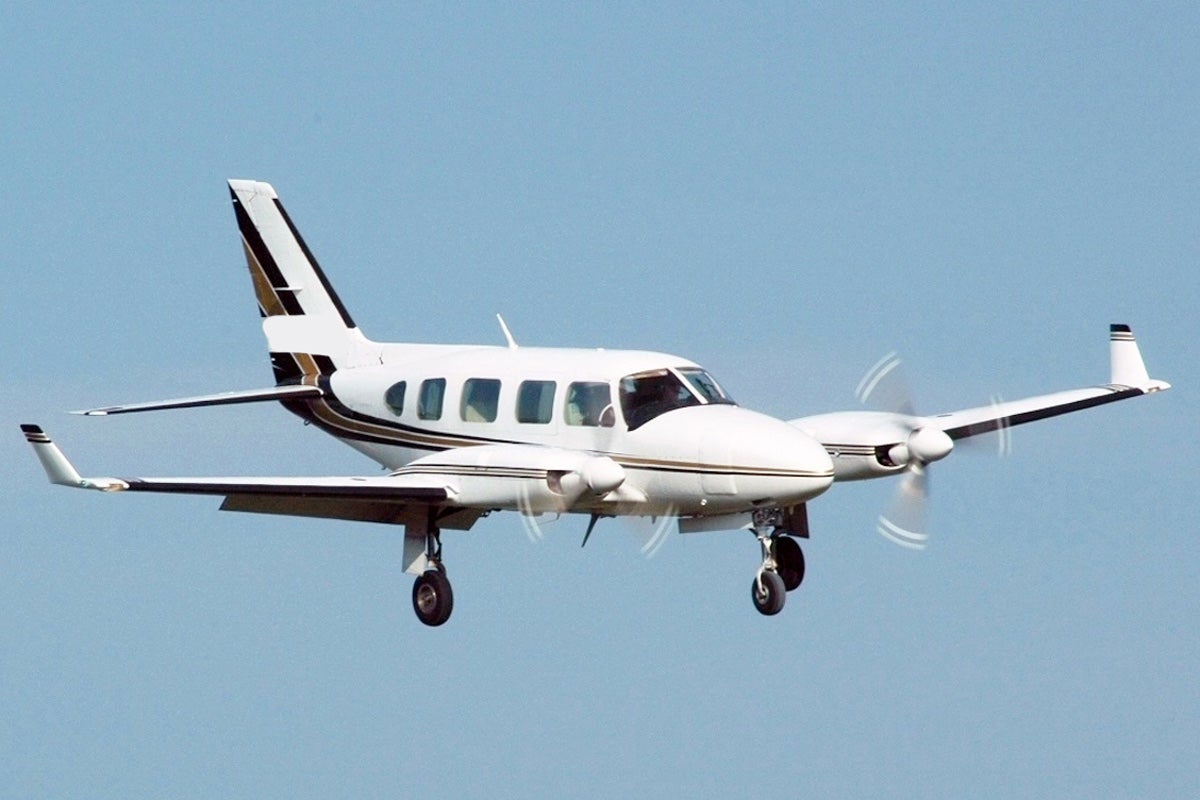
Hypoxia Played Role in Canadian Navajo Accident

Key Takeaways:
- Hypoxia, or gradual oxygen deprivation, poses a significant and often unrecognized danger to pilots, causing severe cognitive and physical impairment that can lead to loss of aircraft control.
- A 2018 Piper Navajo crash, killing two, was attributed to the pilot's likely hypoxia from not continuously using supplemental oxygen above 13,000 feet, despite regulations.
- The accident highlights the critical importance of strictly adhering to oxygen use regulations in unpressurized aircraft at high altitudes and the need for practical hypoxia training to improve symptom recognition and appropriate pilot response.
Key takeaways sponsored by Aviator Pro | Start Your Training ->
See a mistake? Contact us.

