











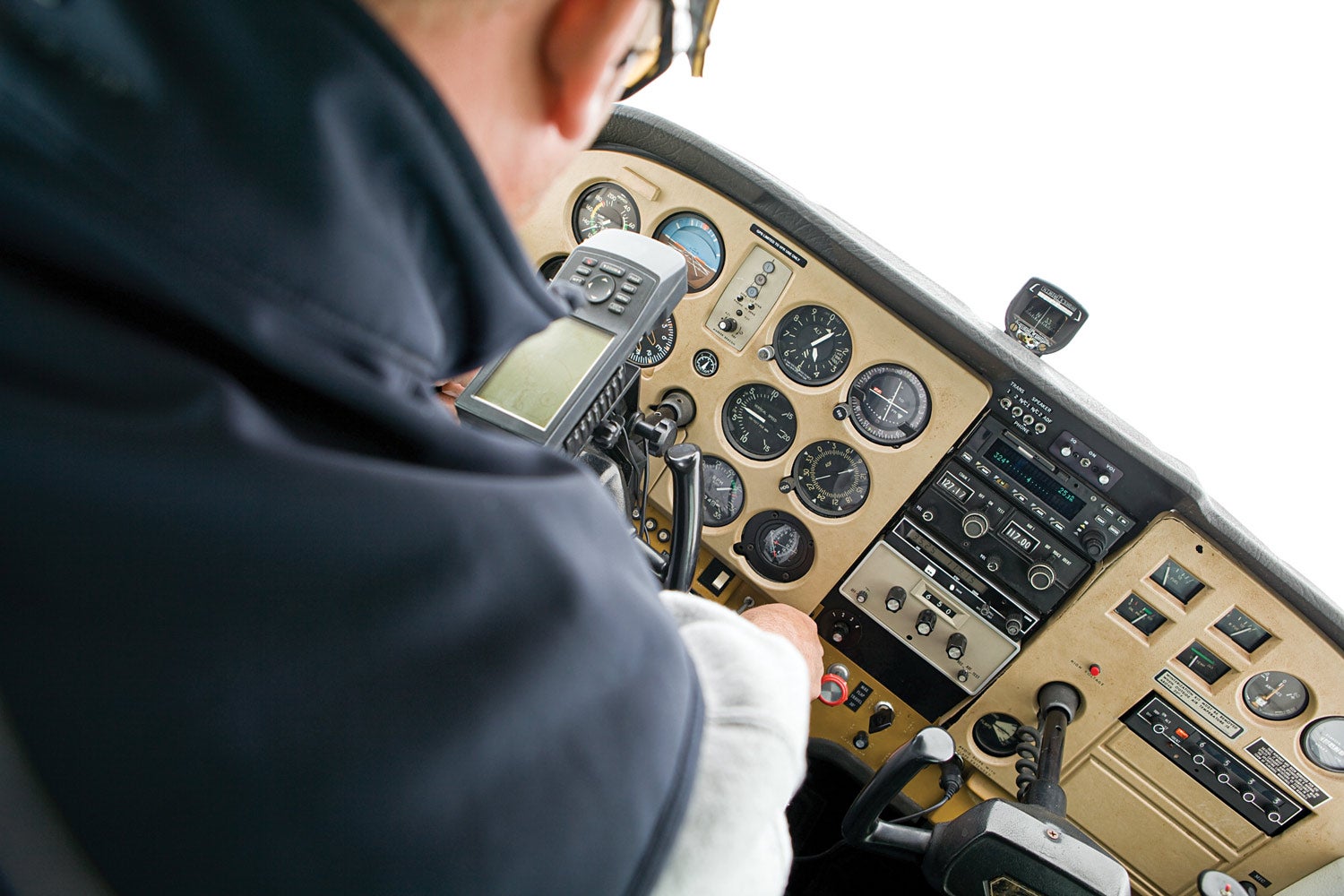
I still believe my instrument-rating check ride was my toughest, but then maybe it just seemed that way because the technology in the Cessna 172 I flew was pretty basic: two communications radios, two VORs, an ADF and a transponder.
Practical Tips For Flying IFR

Key Takeaways:
- While modern aviation technology simplifies IFR flying, it has not eliminated risks or reduced accident rates, as human decision-making and proficiency remain critical.
- Pilots require training that extends beyond minimum certification standards, emphasizing a deep understanding of flight procedures and the "why" behind decisions.
- Crucial areas for enhanced proficiency include handling complex approaches, understanding obstacle departure procedures, mitigating GPS interference, and avoiding automation dependency.
Key takeaways sponsored by Aviator Pro | Start Your Training ->
See a mistake? Contact us.

