














Register

Soft and Short Field Operations: Relevant to Professional Pilots?

Keeping the fun and adventure in training and time building is the best way to build a foundation for an enjoyable aviation career.

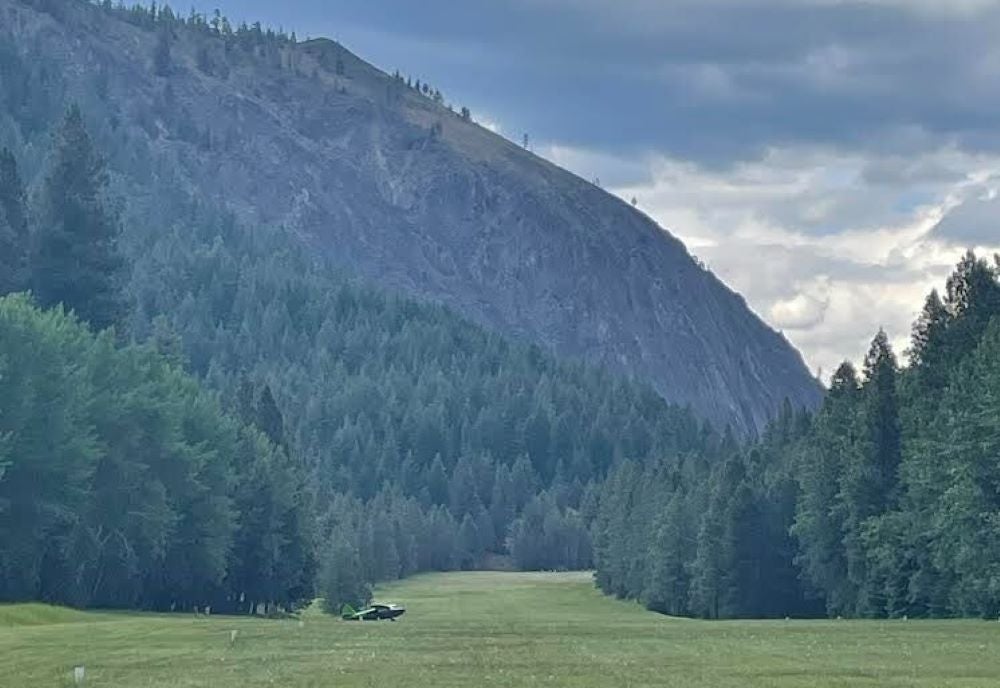
A lot of the neatest places to fly happen to be soft and/or short strips. [Credit: Sam Weigel]
Gemini Sparkle

Key Takeaways:

  • Many modern civilian pilots lack experience with non-paved, short, or high-elevation runways due to flight schools and FBOs prohibiting such operations, likely driven by escalating insurance costs.
  • This leads to critical flight skills like soft/short-field landings being taught through simulation on paved runways, which the author argues is an inadequate substitute for real-world experience, as illustrated by his own dangerous early career incidents.
  • The author advocates for retaining these "marginal" experiences in training, emphasizing their importance for developing well-rounded pilots, adaptability in an unstable industry, and maintaining the "fun factor" crucial for an enjoyable and sustainable aviation career.
See a mistake? Contact us.

When I was a young regional pilot in my early 20s, I scoffed at some of the mainline captains I met who seemed hopelessly out of touch with the realities of the modern aviation industry. Ah, the arrogance of youth. Now I’m the mainline captain and occasionally surprised to discover an industry trend that has been years in the making without me ever noticing it. Recently, when in the normal flow of cockpit conversation I mention that I own a Stinson 108 and finishing up a hangar-apartment on a 2,400-foot grass strip, a large majority of my younger first officers (FOs) say they have never landed on anything other than pavement. This is rather shocking to me.

I expect this out of military aviators, at least those outside the C-130 and C-17 communities, but many saying this come from a civilian background. In many cases, these FOs note the schools they learned to fly at—and instructed at—prohibited off-pavement operations altogether, for both training and renting, as well as operations at runways less than 3,000 feet in length—and sometimes above a certain elevation. Now that I think about it, the last several FBOs from which I rented aircraft had those same restrictions.

Sam Weigel

Sam Weigel has been an airplane nut since an early age, and when he's not flying the Boeing 737 for work, he enjoys going low and slow in vintage taildraggers. He and his wife live west of Seattle, where they are building an aviation homestead on a private 2,400-foot grass airstrip.

Ready to Sell Your Aircraft?

List your airplane on AircraftForSale.com and reach qualified buyers.

List Your Aircraft
AircraftForSale Logo | FLYING Logo
Pilot in aircraft
Sign-up for newsletters & special offers!

Get the latest stories & special offers delivered directly to your inbox.

SUBSCRIBE
