














Register

The Adventures of a Panel Redesign

Limitations are inherent in modifying old panels.

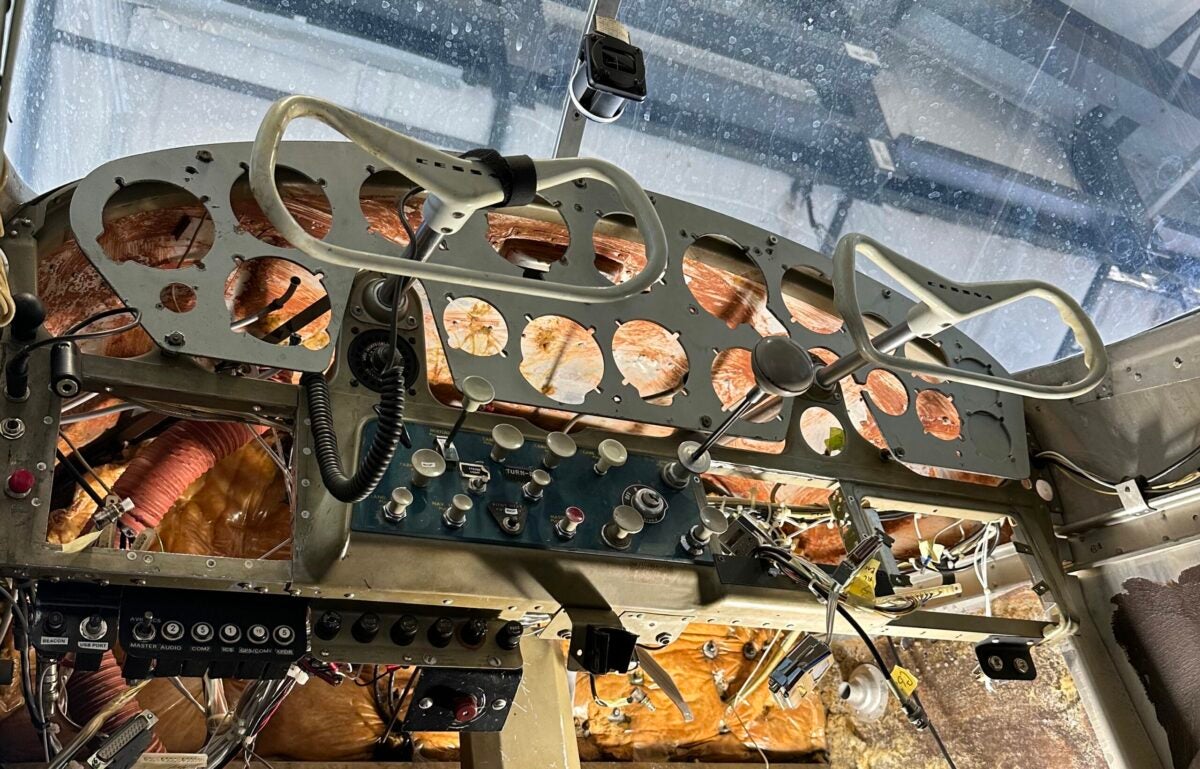
A chilling sight for any aircraft owner, the panel of the author’s beloved 170 has been skeletonized in preparation for the upgrade. [Credit: Jessica Voruda]
Gemini Sparkle

Key Takeaways:

  • The author initially approached an aircraft instrument panel redesign with aesthetic preferences, creating an ideal layout without considering technical limitations.
  • An avionics expert revealed significant physical constraints, such as the depth of new avionics and the need for internal clearance for the control yoke's movement, rendering the initial design impractical.
  • This required a complete revision of the panel layout and underscored the critical importance of working with knowledgeable and patient avionics professionals who educate clients on technical realities.
See a mistake? Contact us.

When I decided to spend a not-insignificant sum of money on a complete redesign and rebuild of my instrument panel, I was excited. Over the years, previous owners of my airplane made some bizarre decisions with regard to panel layout, arranging things oddly and inexplicably adding a second altimeter. A new panel would be an opportunity to start from scratch, positioning each instrument, radio, switch, and circuit breaker precisely where I wanted them. 

Or so I thought.

Jason McDowell

Jason McDowell is a private pilot and Cessna 170 owner based in Madison, Wisconsin. He enjoys researching obscure aviation history and serves as a judge for the National Intercollegiate Flying Association. He can be found on Instagram as @cessnateur.

Ready to Sell Your Aircraft?

List your airplane on AircraftForSale.com and reach qualified buyers.

List Your Aircraft
AircraftForSale Logo | FLYING Logo
Pilot in aircraft
Sign-up for newsletters & special offers!

Get the latest stories & special offers delivered directly to your inbox.

SUBSCRIBE

