













Register

All Or Nothing?

The question is as old as the powered aviation itself: Assuming a single-engine airplane, if power is lost immediately after takeoff, should you land straight ahead or try to get back to the airport? This magazine has often addressed the question, including a January 2006 article by spinmeister Rich Stowell. Rich detailed the results of a simulator-based study examining "the feasibility of successfully executing a 180-degree turnaround following an engine failure at 500 feet agl." The study concluded that practicing the maneuver boosted its success rate, but landing straight ahead (or nearly so) had a higher success rate.

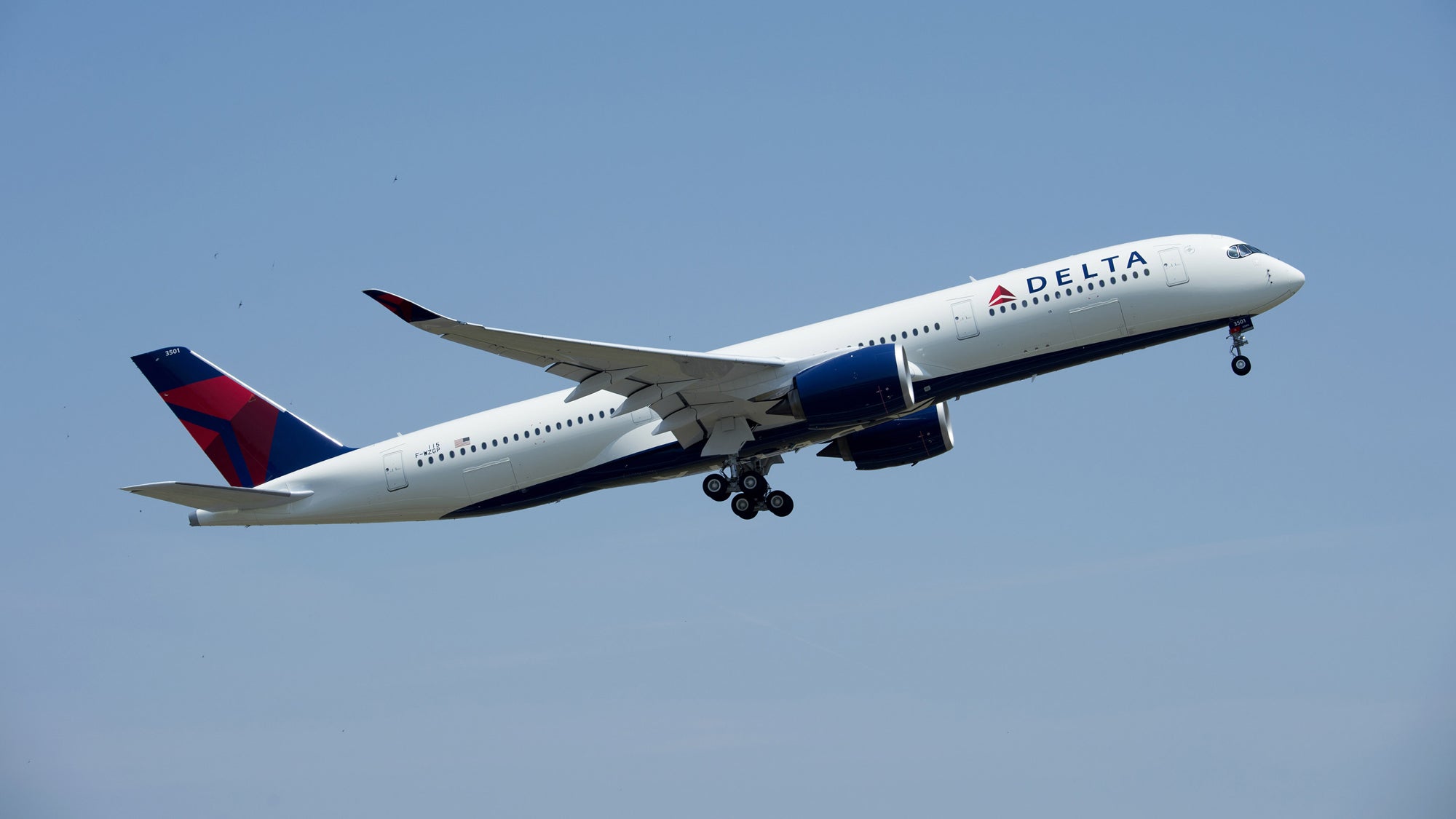
Delta and United Airlines both reported having to cancel flights on Christmas Eve. [Courtesy: Delta]
Gemini Sparkle

Key Takeaways:

  • The FAA's guidance on handling engine failure after takeoff is nuanced, having historically advised against the "impossible turn" (180-degree return to the runway) but now requiring instructors to teach it under specific, high-altitude conditions.
  • The article advocates for a "range awareness" strategy, where the pilot's options after engine failure immediately following takeoff expand progressively with altitude.
  • This strategy defines specific altitude ranges: landing straight ahead below 400 ft AGL, turning up to 90 degrees between 400-700 ft AGL, attempting 180-degree turns to suitable landing areas (not necessarily the runway) between 700-1200 ft AGL, and only potentially returning to the departure runway above 1200 ft AGL.
  • The ultimate objective is survival, emphasizing prepared decision-making, understanding the empirical challenges of turns at low altitudes, and leveling wings to land straight ahead when gliding through 400 ft AGL.
See a mistake? Contact us.

The question is as old as the powered aviation itself: Assuming a single-engine airplane, if power is lost immediately after takeoff, should you land straight ahead or try to get back to the airport? This magazine has often addressed the question, including a January 2006 article by spinmeister Rich Stowell. Rich detailed the results of a simulator-based study examining “the feasibility of successfully executing a 180-degree turnaround following an engine failure at 500 feet agl.” The study concluded that practicing the maneuver boosted its success rate, but landing straight ahead (or nearly so) had a higher success rate.

For decades the FAA tried to make the decision for us, dubbing the return-to-runway attempt “the impossible turn.” It’s never worth the risk, the FAA told us. Yet, current FAA guidance still requires instructors to train pilots on maneuvering back to the runway in the event of engine failure. Should we land straight ahead, or turn back to the runway? Is returning to the runway following a power loss after takeoff an all-or-nothing decision?


Ready to Sell Your Aircraft?

List your airplane on AircraftForSale.com and reach qualified buyers.

List Your Aircraft
AircraftForSale Logo | FLYING Logo
Pilot in aircraft
Sign-up for newsletters & special offers!

Get the latest stories & special offers delivered directly to your inbox.

SUBSCRIBE