














Register

How Is an Engine Failure Handled on a Boeing 777?

Considering that a Boeing 777-300 with GE 90-115 engines has a thrust rating of 115,000 pounds per side, the resulting asymmetric thrust from a failure is a force to be reckoned with.

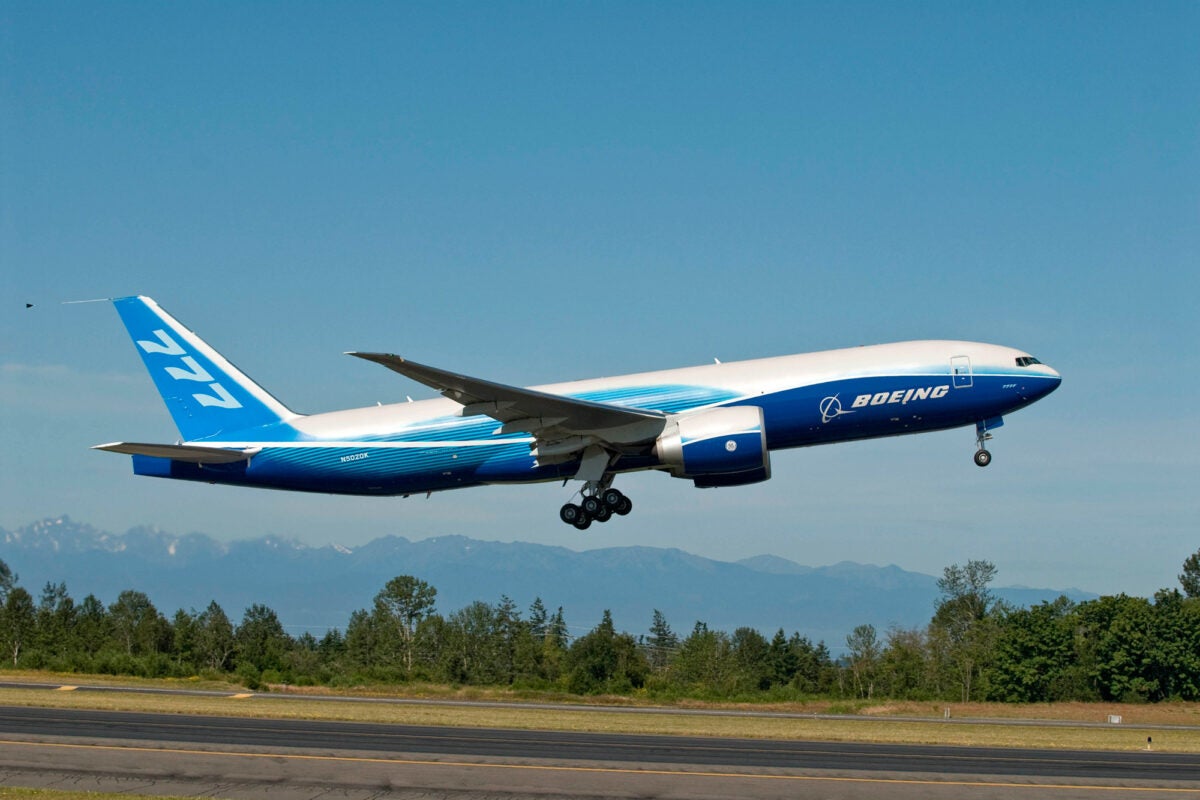
The reaction of a 777 pilot should be to recite the iconic verbiage of, “Dead foot, dead engine,” and then apply foot pressure to the appropriate rudder pedal. [Courtesy: Boeing]
Gemini Sparkle

Key Takeaways:

  • Handling an engine failure on a Boeing 777 requires immediate pilot rudder input to counter significant asymmetric thrust from its powerful engines.
  • The aircraft is equipped with advanced systems like hydraulic rudder pressure, an electronic flight control system, and Thrust Asymmetry Compensation (TAC), which automatically applies rudder when differential thrust exceeds 10% to prevent rolling and assist pilot control, especially during takeoff.
See a mistake? Contact us.

QUESTION: How is an engine failure handled on a Boeing 777?

Answer: Considering that a Boeing 777-300 with GE 90-115 engines has a thrust rating of 115,000 pounds per side, the resulting asymmetric thrust from a failure is a force to be reckoned with. Granted, 3,000 psi of hydraulic pressure to the rudder and an electronic flight control system helps a lot. But there’s a bit more to it.

Like any twin-engine airplane, the reaction of a 777 pilot should be to recite the iconic verbiage of, “Dead foot, dead engine,” and then apply foot pressure to the appropriate rudder pedal.

Les Abend

Les Abend is a retired, 34-year veteran of American Airlines, attempting to readjust his passion for flying airplanes in the lower flight levels—without the assistance of a copilot.

Ready to Sell Your Aircraft?

List your airplane on AircraftForSale.com and reach qualified buyers.

List Your Aircraft
AircraftForSale Logo | FLYING Logo
Pilot in aircraft
Sign-up for newsletters & special offers!

Get the latest stories & special offers delivered directly to your inbox.

SUBSCRIBE
